Weekly News – July 24

Serta damages puts market on edge, Aston Martin leaves road kill, Trinseo double-dip under judicial scrutiny, Venezuela debt restructuring, Foreign forum shopping, and much, much more…

Creditor Corner

Your weekly curated content from the Creditor Rights Coalition

Over 3,700 member subscribers and growing!

We bring you exclusive content from leading data and research providers 

Sign Up Here

?In this Week’s Creditor Corner

Serta damages puts market on edge, Aston Martin leaves road kill, Trinseo double-dip under judicial scrutiny, Venezuela debt restructuring, Foreign forum shopping, and much, much more…


Featured Content

Bruce Richards on the Markets

History does not repeat itself, but it may rhyme

Scroll through to read all ou?r content?

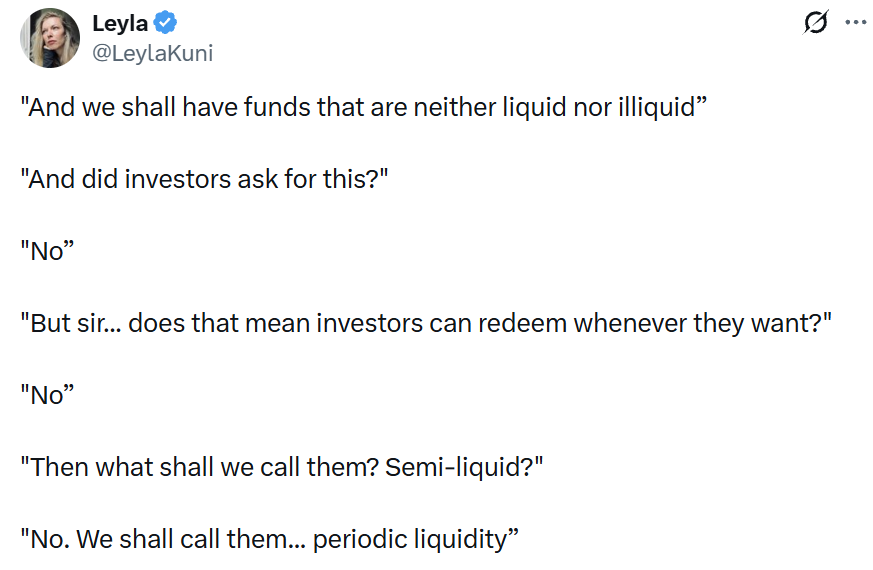
Tweet of the week

Click Above to Access Content

Exclusive Content

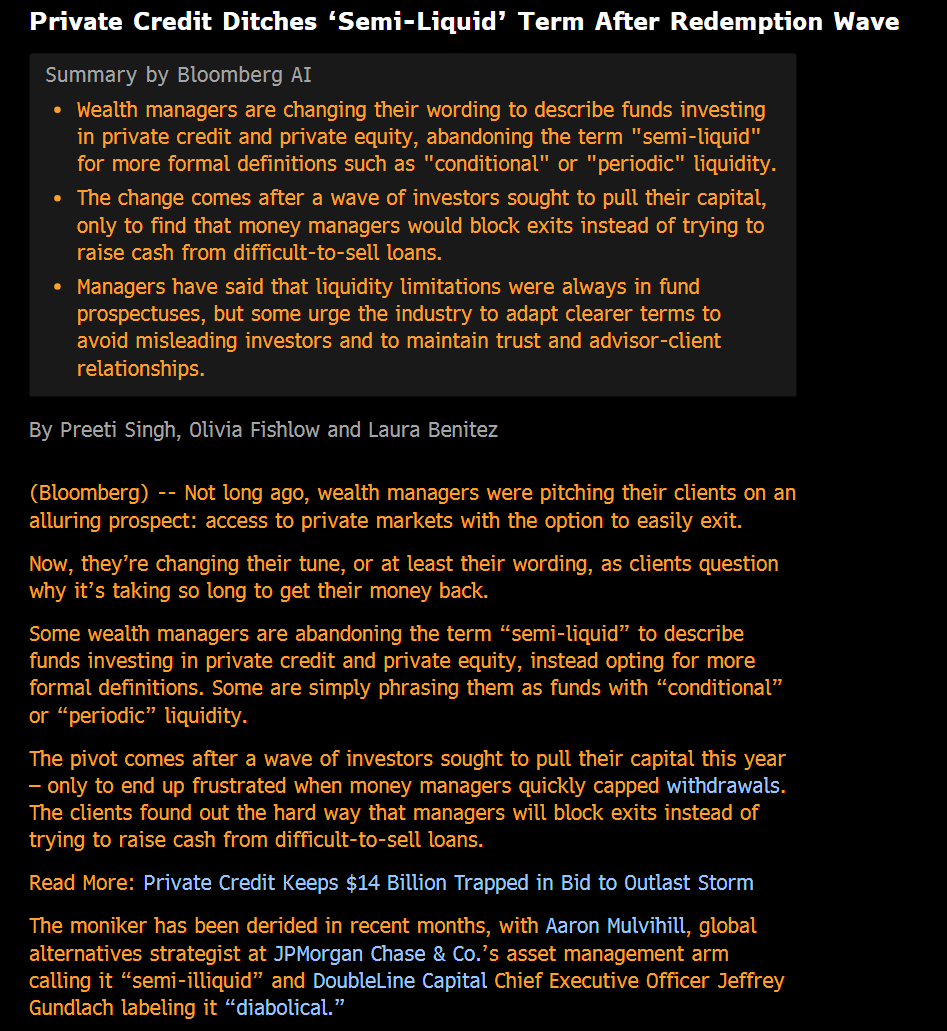
It stings to be “creative”

Click above to access content

One-time registration required

Event Wrap

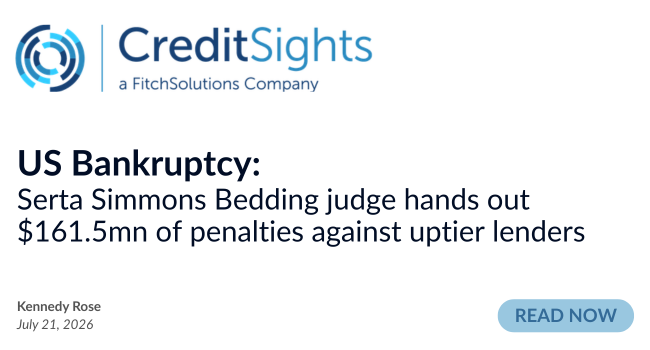
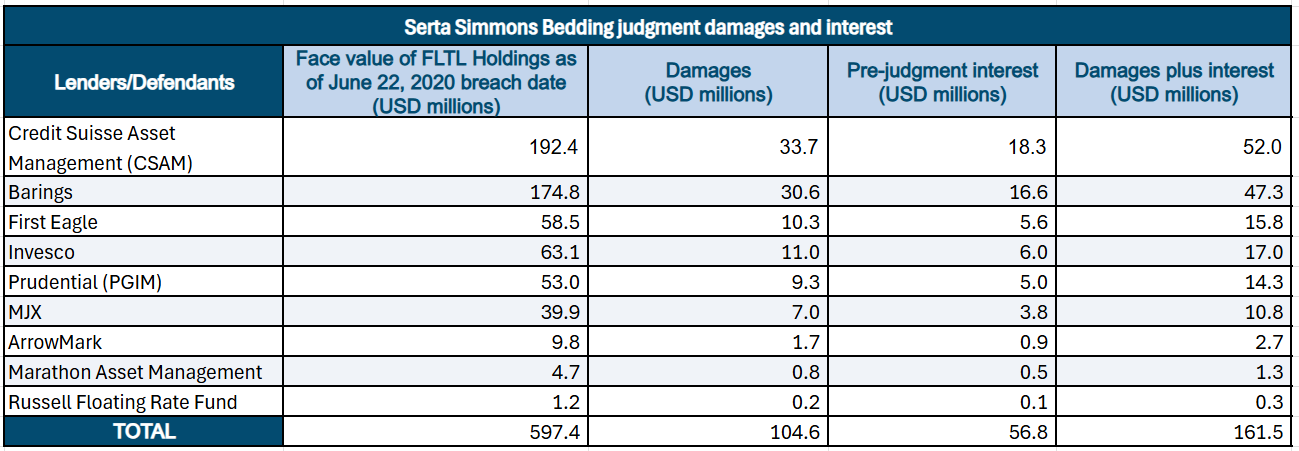
A deep-dive on Serta damages

Click above to access content

Featured Content

Hardwired A&Es: No More Frankenstein Balance Sheets

Click Above to Access Content

Exclusive Content

road kill…

Click above to access content

One-time registration required

Our take:

It’s been awhile since we have seen a regular way (outside of Draghi) coercive drop-down. A sign of things to come?

Exclusive Content

one to watch

Click above to access content

Our take:

Trinseo’s 2023 and 2025 “double-dip” liability management transactions are now under fire. While many in the market have assumed these transactions were comfortably beyond challenge, we’ve written that courts (here) may view them far less favorably once subjected to judicial scrutiny. At the recent confirmation hearing, Judge Lopez signaled that a successful challenge could be a “knock-out blow” for multiple constituencies. He cautioned that if there is “going to be peace in the land,” “now is the time to do it,” and candidly acknowledged that he was “honestly not sure” how he would rule. Monkey with a gun?

Featured Content

Realism, Liberalism, and Neo-Liberalism Walk Into a Bar

Click Above to Access Content

Featured Content

Global Forum Shopping

Click Above to Access Content

Exclusive Content

Words of Wisdom….

Click above to access content

Featured Content

History does not repeat itself, but it may rhyme.

It’s the Roaring 20’s, and the massive market move has created enormous wealth creation during this decade. While history does not repeat itself, it can rhyme, and this parallel makes for a worthwhile conversation.


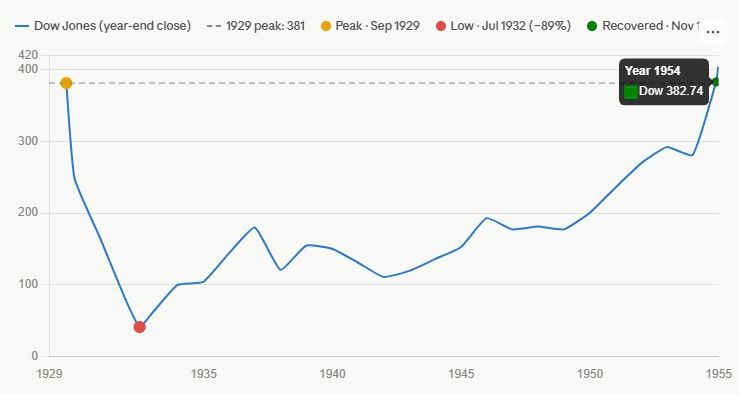
From August 1921 to September 1929, the Dow rose six-fold, from 63 to 381, powered by the transformational technologies of the age: electrification, the industrial revolution, and mass production on the assembly line.

 
During the decade 100 years ago, real GDP compounded at 4% per annum as productivity surged. While innovation was real, the 1929 stock market crash led to a run on the banking system, and given the 89% peak-to-trough decline in equities 25 years to fully recover (chart below).


Unlike the 1920’s, our banking system is incredibly healthy today, and while the equity market is up 132% this decade, P/E multiples reasonable (19x forward earnings) as earnings growth are strong and the economy is growing in the 2% to 3% range.

Leading up to 1929, investors bought stock with just 10% down, financing the rest with broker/bank call loans that led to margin calls, forced selling and the market collapse. The economic development was real, while excess speculation and a fragile financing market turned a boom in the financial markets to a bust as the perils of Wall Street spread to Main Street.

I am not calling for a crash; today’s equity valuations are reasonable with earnings that are only modestly above its 10-year average, and earnings growth in 2026 exceeds 20% y-o-y, its strongest stretch in years. It is not 1929, and it is not the dawn of dot-com burst when price detached from earnings.

We should all keep a close eye on leverage. FINRA margin debt is ~$1.5 trillion, up 50% over the past year, or 4% of GDP vs. a median of 1.5% historically. Andrew Ross Sorkin’s brilliantly written book “1929” is a history lesson that excessive leverage driven by greed and speculation is dangerous.

Morgan Stanley and Goldman Sachs estimate the AI buildout will be >$1.1 trillion in 2027 and 2028, respectively. While the large hyperscalers lead the way, and AI transforms industry leading to massive productivity gains, the biggest strain is on capital as governments compete with private sector to attract capital. The stress today, is not leverage or valuations, it is the need for capital, providing capital allocators with unique and important choices.

The lesson of the first Roaring 20’s that is most relevant to today is determine if there is a widespread mis-allocation of capital (e.g. speculative leverage, bad loans, bubbles) that can have a material knock-on affect(s). With more than 60% of households now owning equities, versus only 10% in 1929, the real economy is far more wired to the market than it was then, but at the same time, this development has led to massive wealth creation, which is certainly net-positive.

To follow Bruce’s thoughts on the markets, investing and more, follow

@bruce_markets

Upcoming Events

Riding The Rollercoaster: European Covenant Trends in H1 2026

July 28, 2026

Learn More

Make-Whole Claims in Bankruptcy

August 13, 2026

Learn More

2026 Moody’s Ratings US CLO & Leveraged Loan Conference

September 17, 2026

Learn More

The Data Download

Bringing Transparency to the Bankruptcy Process

Click Above to Access The Data Download

Our Take:

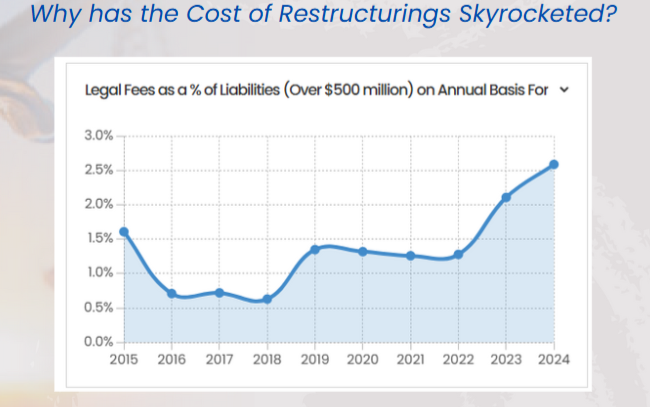
The Daily Cost of BK Legal fees Are Increasing.

Are we shocked? No.

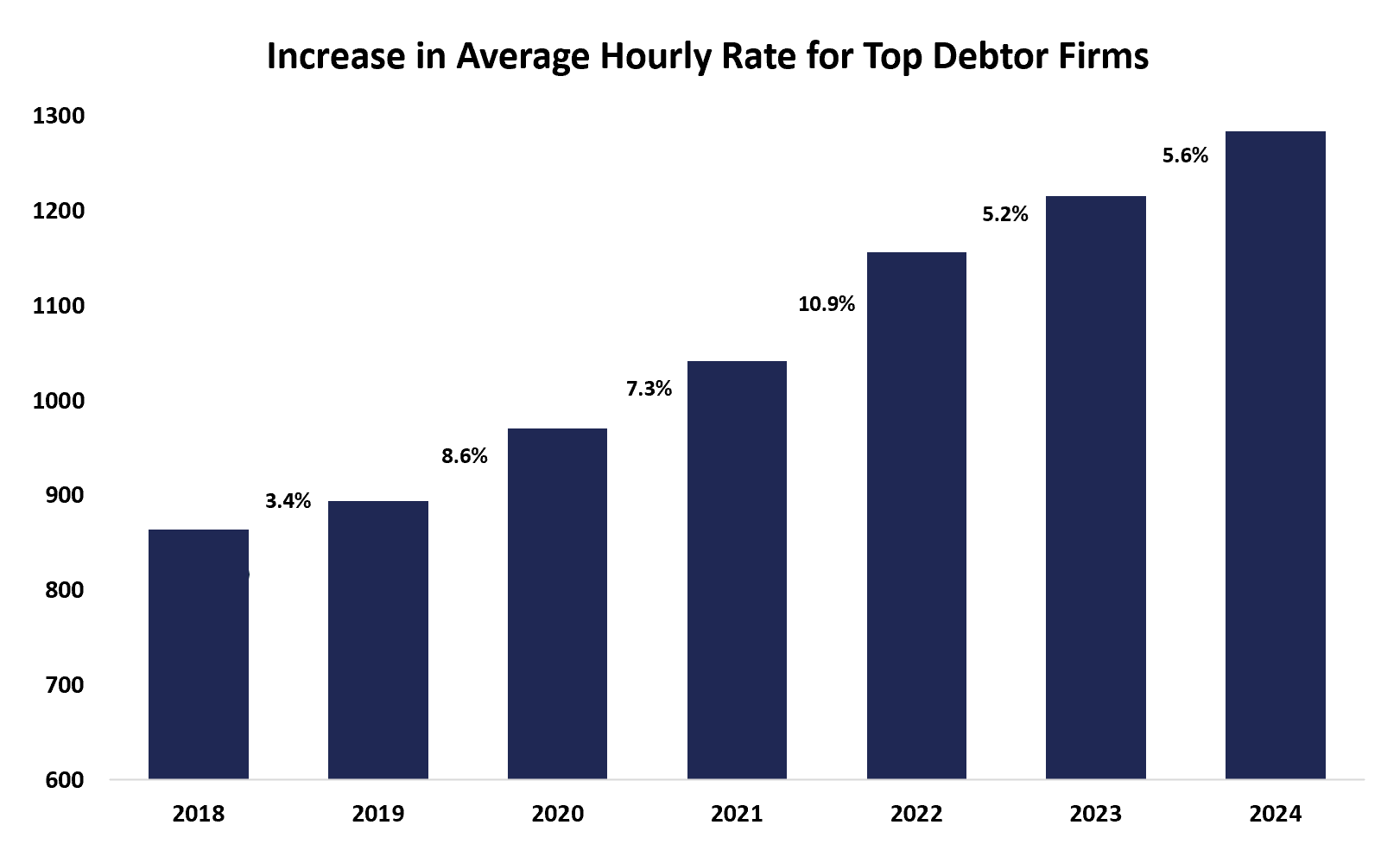
We took a deep dive to see what is driving up the daily cost of restructurings and the culprit: Increasing Legal Hourly Rates. We analyzed final fee apps for top debtor law firms from 2018 to 2024 and found average hourly legal fees have increased by over 65% since 2018. Maybe a little bit of sunlight is the right disinfectant to help remedy the problem….

Thank You To Our 2026 Sponsors

Diamond Sponsor

Platinum Sponsors

Gold Sponsors

Silver Sponsors


Have Something to Share?

Email us at info@creditorcoalition.org