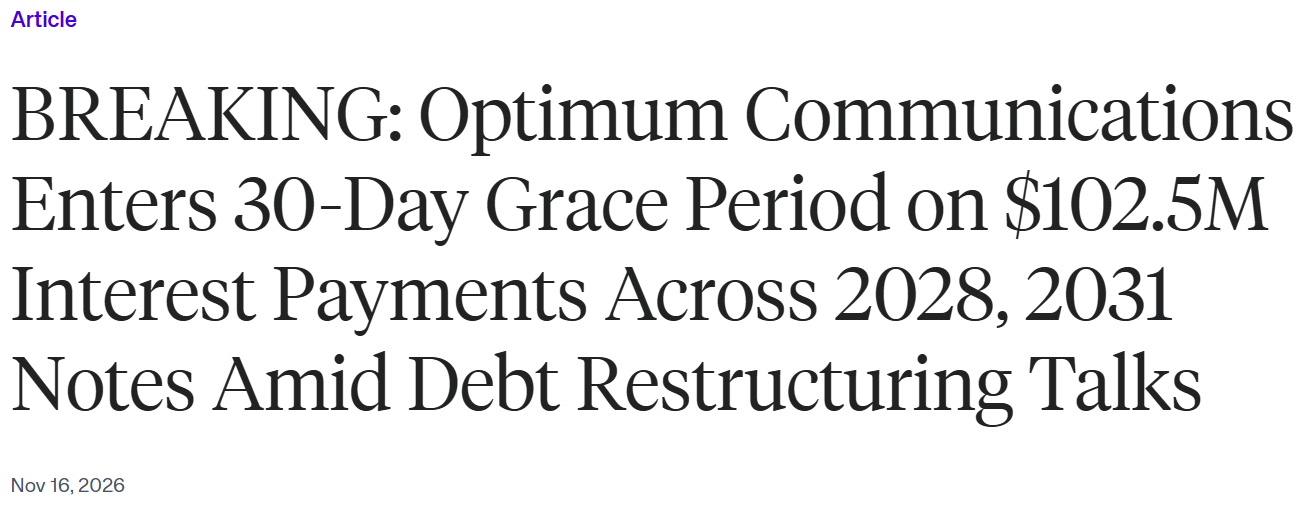
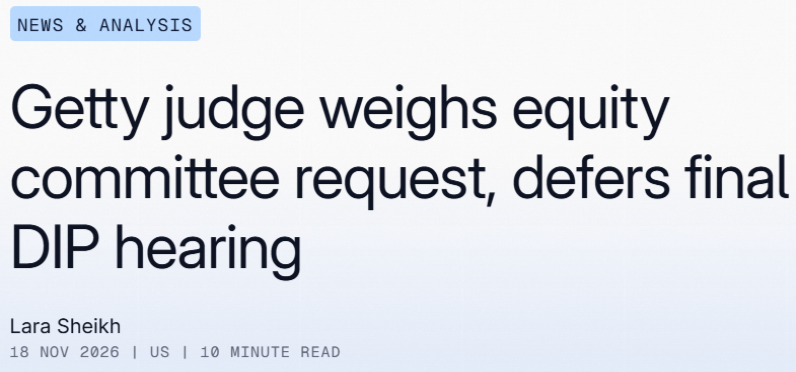
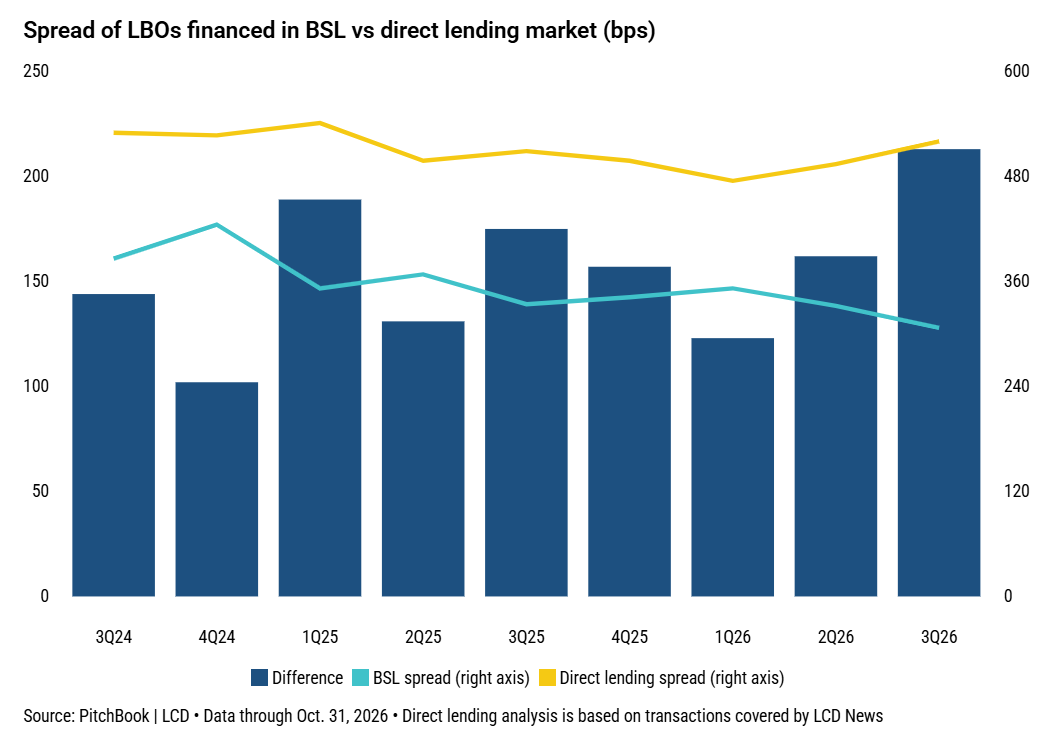
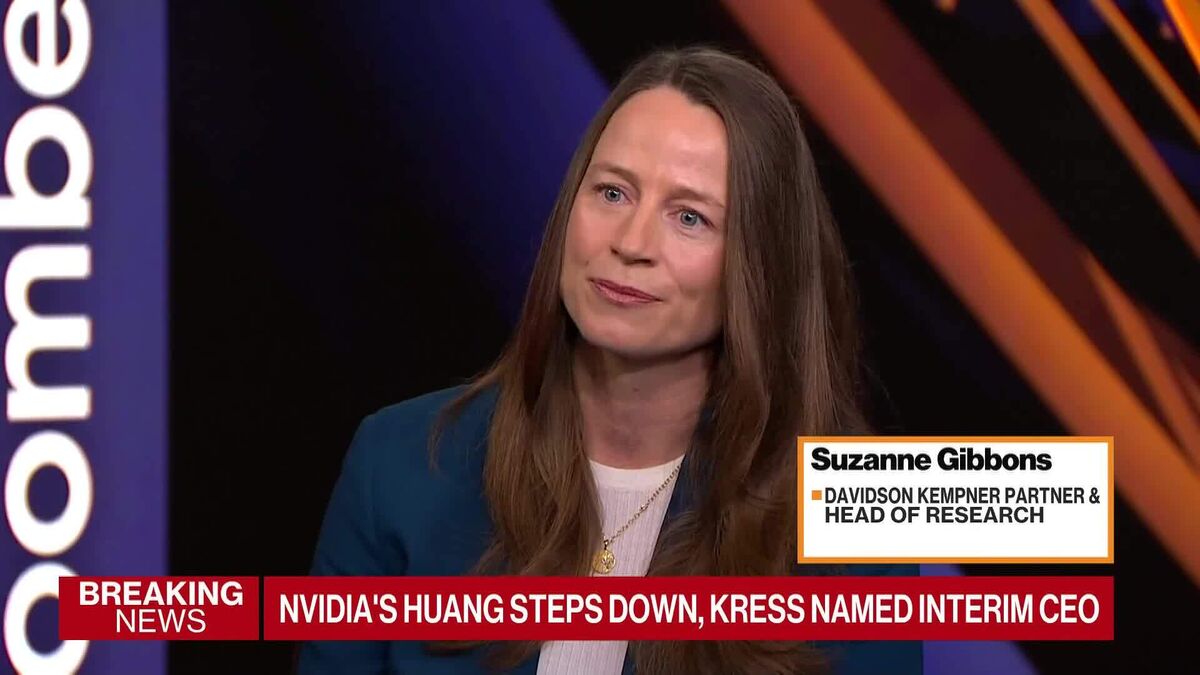
Optimum enters grace period, Getty equity committee denied, Tronox Chapter 22 on the way, BSL outpricing private credit, Suzie Gibbons on the markets, and much, much more…
Featured Content
Bruce Richards on The Markets
Historical Default Rates for AA-Rated U.S. Corporates
Scroll through to read all our content
Tweet of the Week
Click Above to Access Content
Exclusive Content
It Begins…
Click above to access content
Exclusive Content
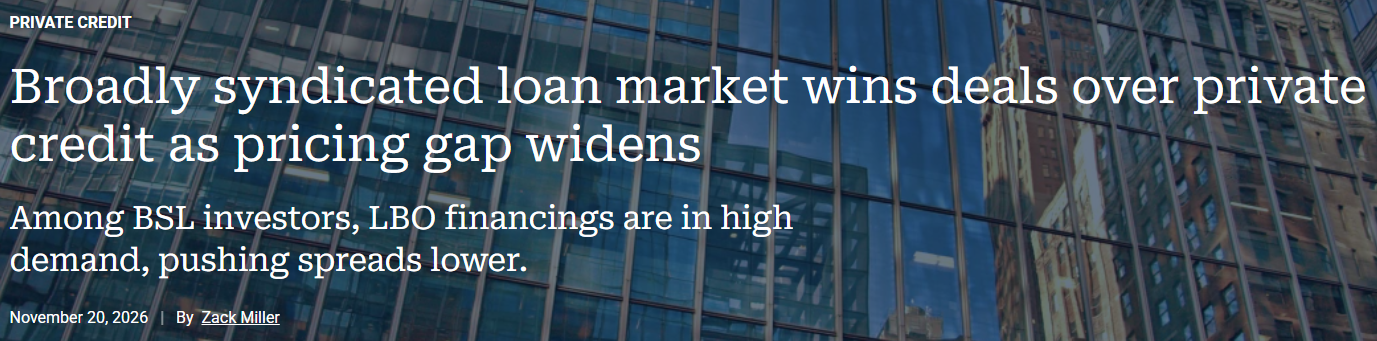
The Illusion of Choice
Click above to access content
One-time registration required
Exclusive Content
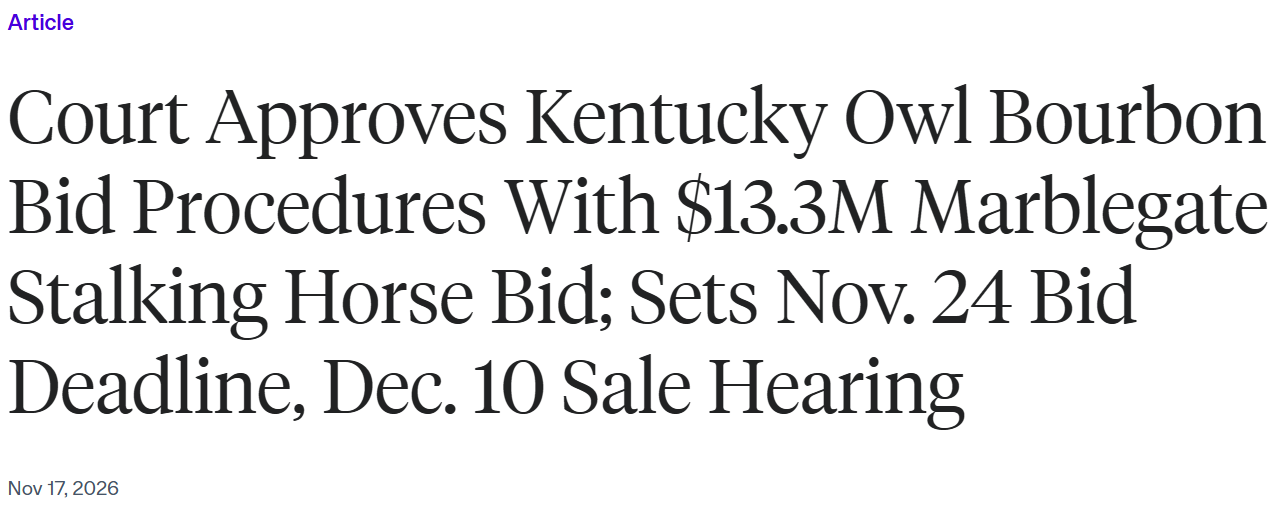
A Stalker With Double-Vision
Click above to access content
Exclusive Content
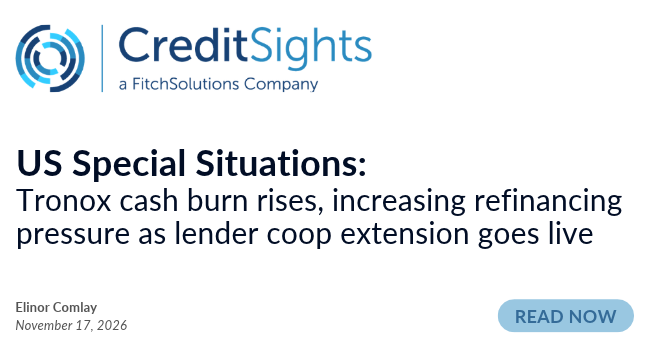
Chapter 22 on the way?
Click above to access content
One-time registration required
Exclusive Content
404(k)
Click above to access content
One-time registration required
Data Download
Tug of War
Click above to access content
What We’re Watching
Off Balance Sheet Shorter Durations & CCC Distressed Tail
Click above to access content
Exclusive Content
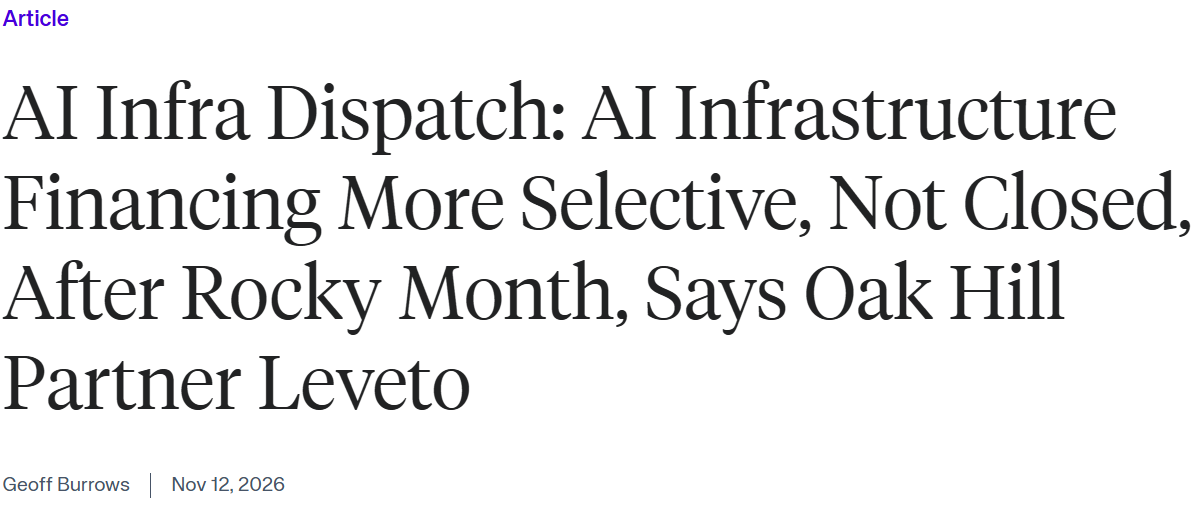
AI Buildout
Click above to access content
Registration required
Featured Content
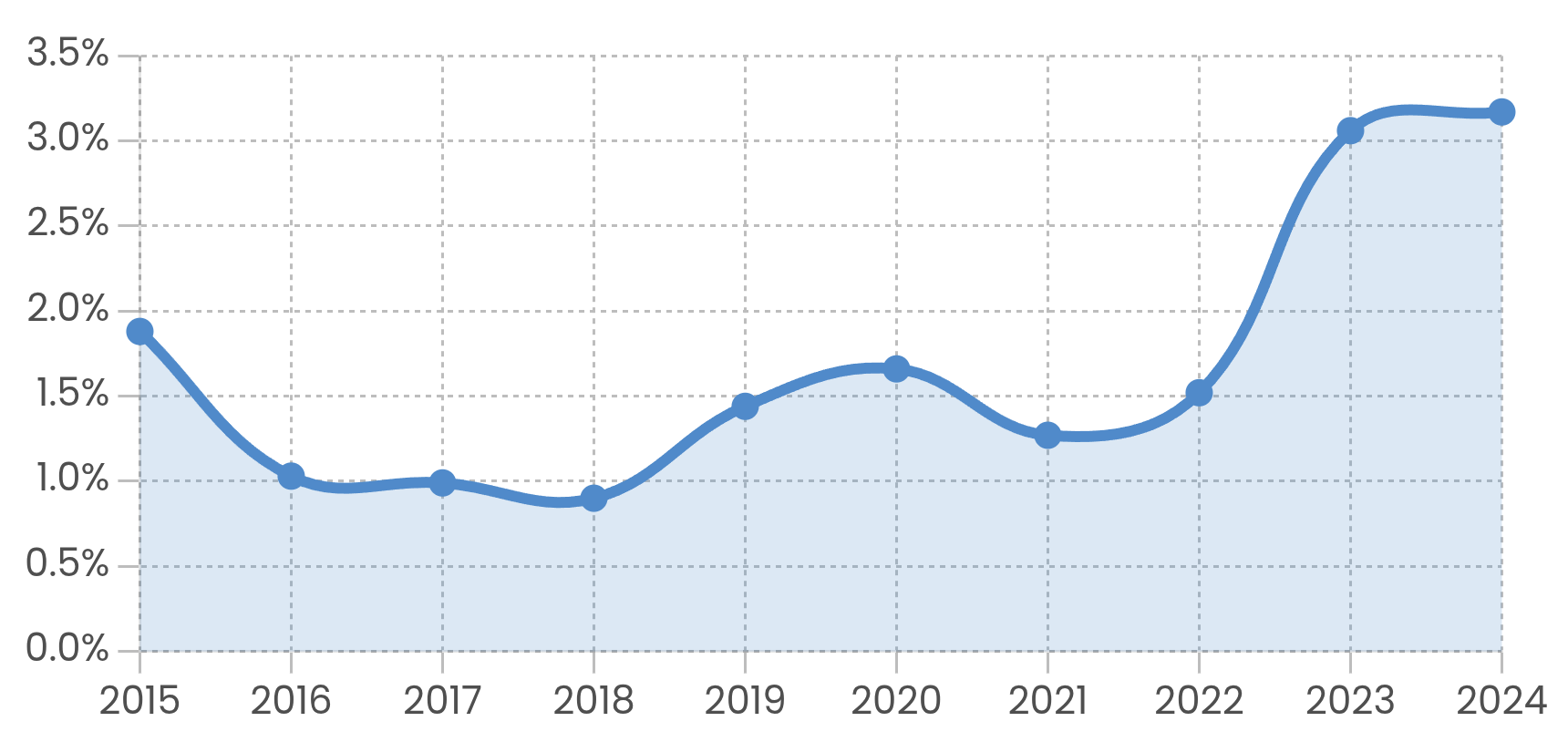
Historical Default Rates for AA-Rated U.S. Corporates
S&P Global Ratings data (1981–2025) shows that AA ratings (including AA+ and AA-) have extremely low cumulative default rates over 1-, 5-, and 10-year horizons for U.S. corporate issuers. These figures below use static-pool methodology: issuers holding this rating at the start of each year are tracked forward. Defaults almost never occur while an issuer remains AA ratings; they only occur several years later following multiple downgrades.
Key Takeaway: AA’s sit toward the the top of the credit spectrum. Their 10-year cumulative default rate of under under 1%, and the 1-year default rate is essentially zero.
AA Category (S&P Global Ratings Default Probability):
• 1-year: 0.03%
• 5-year: 0.39%
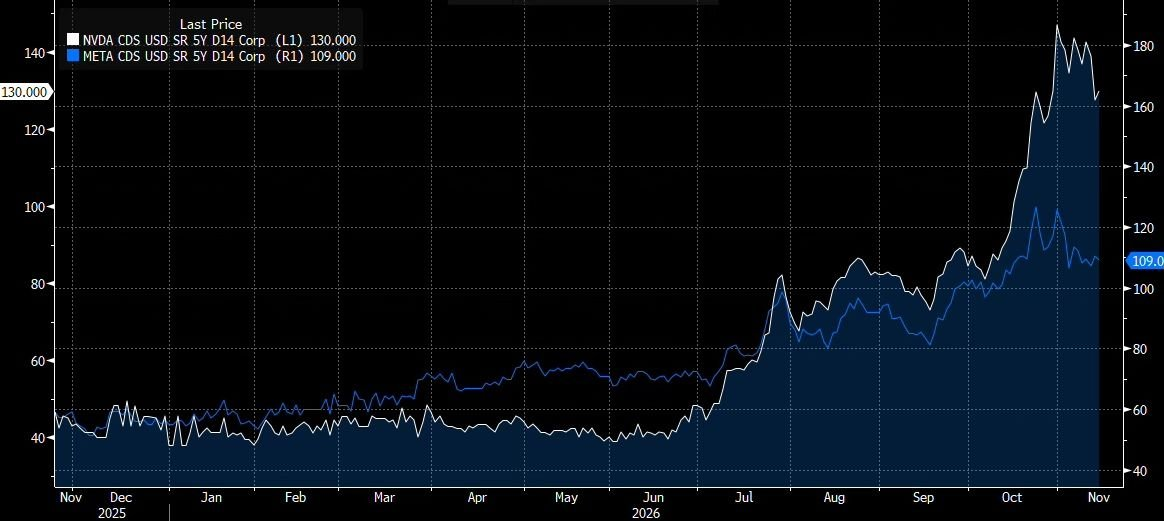
In other words, there is a near-zero probability that Meta or Nvidia default risk is triggered in the next year, and less than 1 in 200 chance it is triggered in next 5 years, yet traders are bidding the 5yr CDS wider for these companies considerably higher than at the start of 2026. CDS traders, those paying this premium are spending 100+ basis points for protection as you see in chart below:
Click above to access content
To follow Bruce’s thoughts on the markets, investing and more, follow
@bruce_markets
Upcoming Events
Next Wave of Private Credit Restructurings: Insights from the Experts
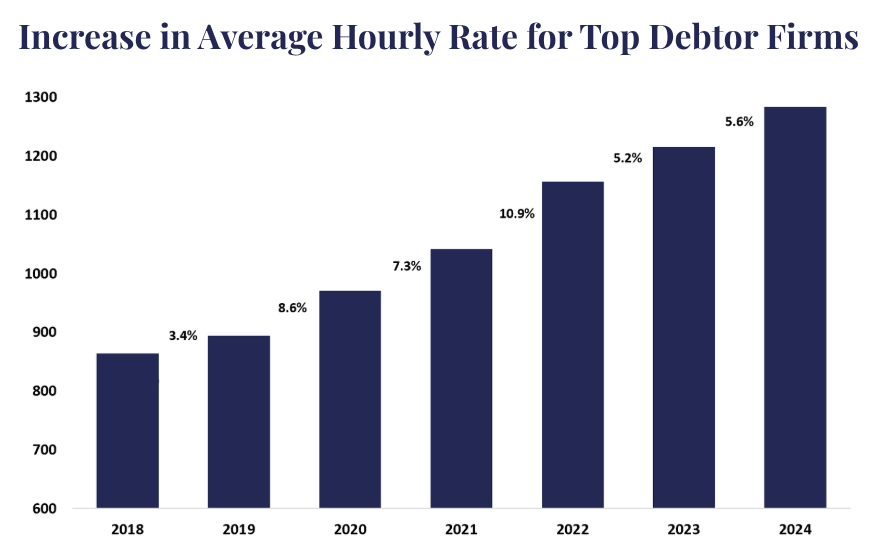
We took a deep dive to see what is driving up the daily cost of restructurings and the culprit: Increasing Legal Hourly Rates. We analyzed final fee apps for top debtor law firms from 2018 to 2024 and found average hourly legal fees have increased by over 65% since 2018. Maybe a little bit of sunlight is the right disinfectant to help remedy the problem…