|
The Cost of Capital
The cost of capital is perhaps the most important factor that is now impacting markets, investment decisions, and potentially growth.
Four developments deserve attention.
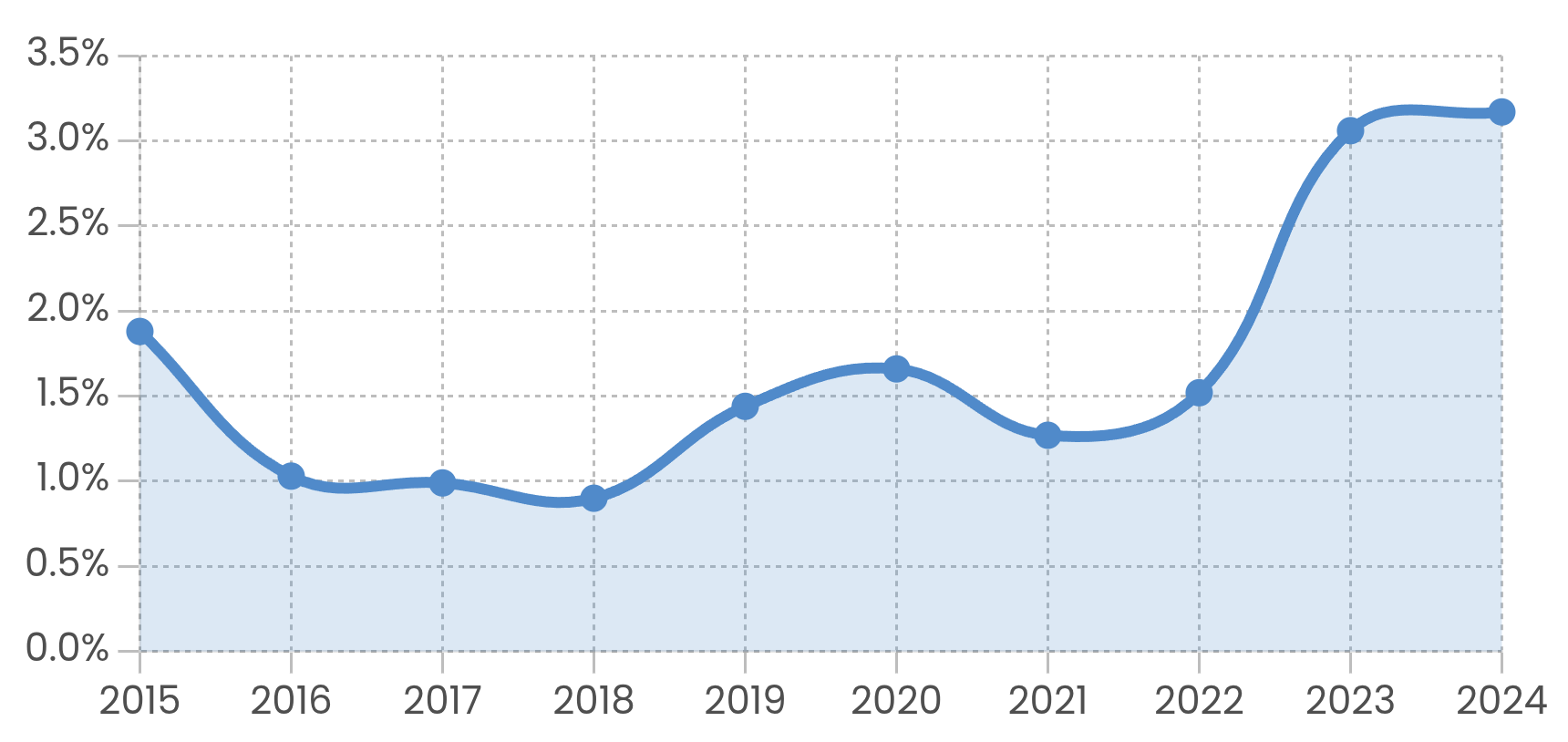
1. Deficits are crowding out private investment. Governments must compete with businesses and households for capital. While the USTs are absorbing too much capital ($2T new money) to finance its 6% deficits, France has become the link in the chain worthy of discussion. When sovereigns pay more, everyone pays more.
2. The AI buildout is a capital magnet. The 4 large hyperscalers will spend over $1T in CapEx in 2027, much of which is financed by debt. When AA rated companies compete for financing, it raises the cost for all the neoclouds, a concern that has is now paramount. When growth is funded in the leveraged finance market, and the cost of energy, compute, regulatory approval and capital all rise in concert, the bar to clear an attractive ROIC rises, as the price of tokens plummets.
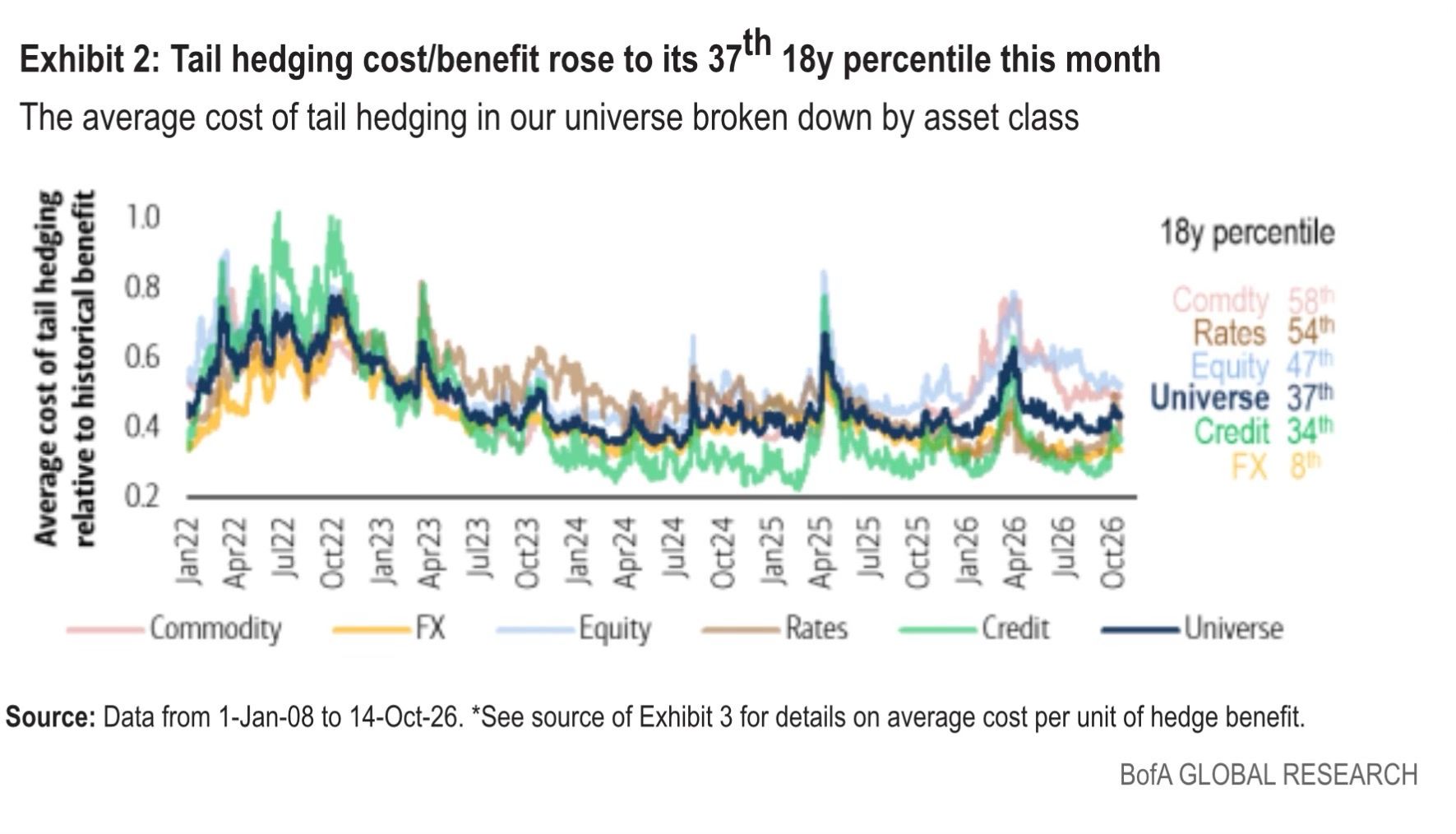
3. IG spreads at 82 bps is below its long run averages. CCC spreads have blown out 400 bps y-t-d to nearly 1,200+ bps, increasing default risk as price and credit dispersion becomes significant. Hedges remain reasonably priced for many sectors of the market.
4. Housing with several trillion of mortgages locked in near 3% contracts sharply vs. new buyers who pay 400 bps more. Mobility, affordability and turnover suffer.
Takeaway 1: Capital has become increasingly more competitive in recent months, a force that determines who can access markets, who has investor confidence that can support growth, who can refinance existing debt and ultimately who survives.
Takeaway 2: This is a great time to be a lender. When capital is scarce/expensive, the provider of capital sets the terms. Direct lenders today are profiting from higher base rates plus healthy spreads, with tighter documentation and stronger covenants vs. previous years. ABL is also a big beneficiary of this same condition, and if done well, can mitigate business cycle risk.
Takeaway 3: For private credit, 2027 will likely be remembered as a strong vintage for new fund raises. While raising capital may prove challenging, as capital allocators will undoubtedly be highly discerning, history shows the best credit vintages occur when capital is scarce, spreads are wide and lenders are highly selective.
Takeaway 4: Opportunistic credit may be the biggest beneficiary as capital solutions will have become an essential and very refined skill set. Rising refinancing walls, CapEx needs, PE sponsor needs for growth and transition are growing. Add in select distress opportunities, good companies with bad balance sheets and we have the case for the full spectrum for Opportunistic Credit.
|