Creditor Corner |
|
|
Your weekly curated content from the Creditor Rights Coalition |
Over 3,700 member subscribers and growing! We bring you exclusive content from leading data and research providers Sign Up Here |
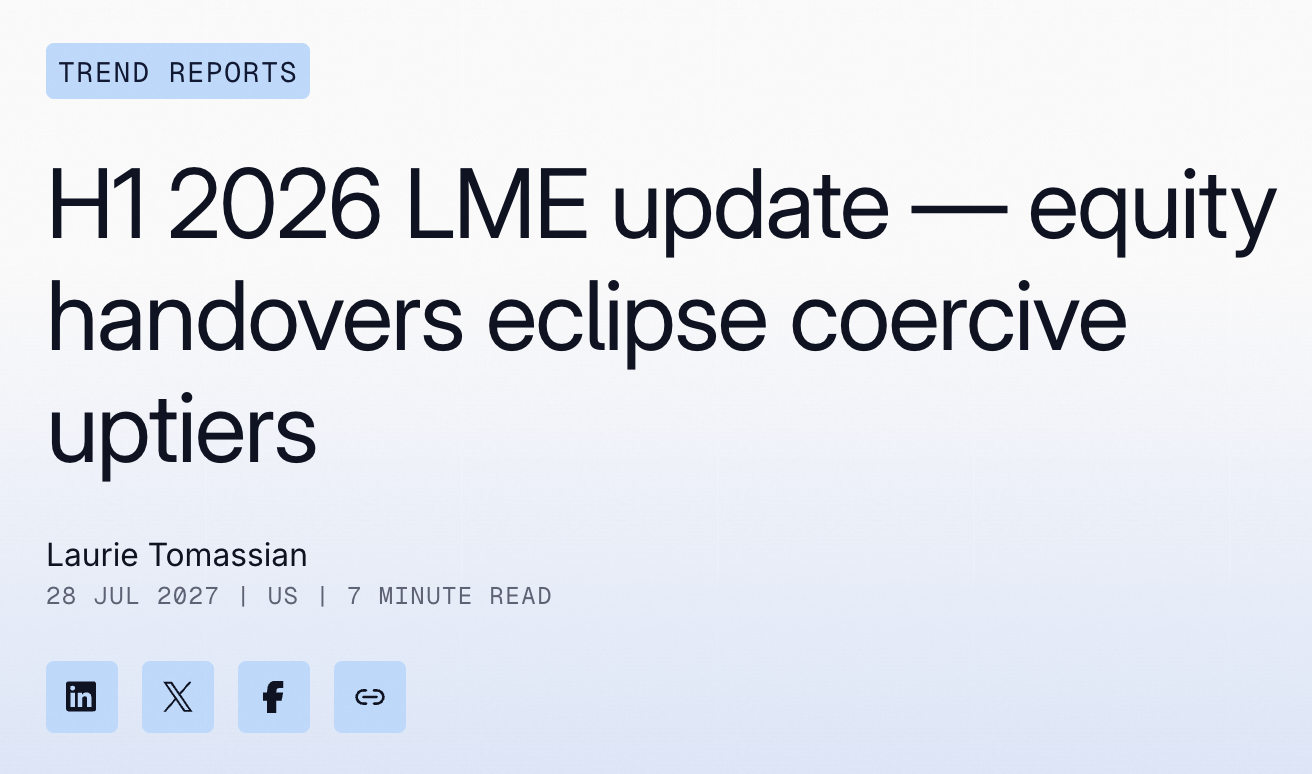
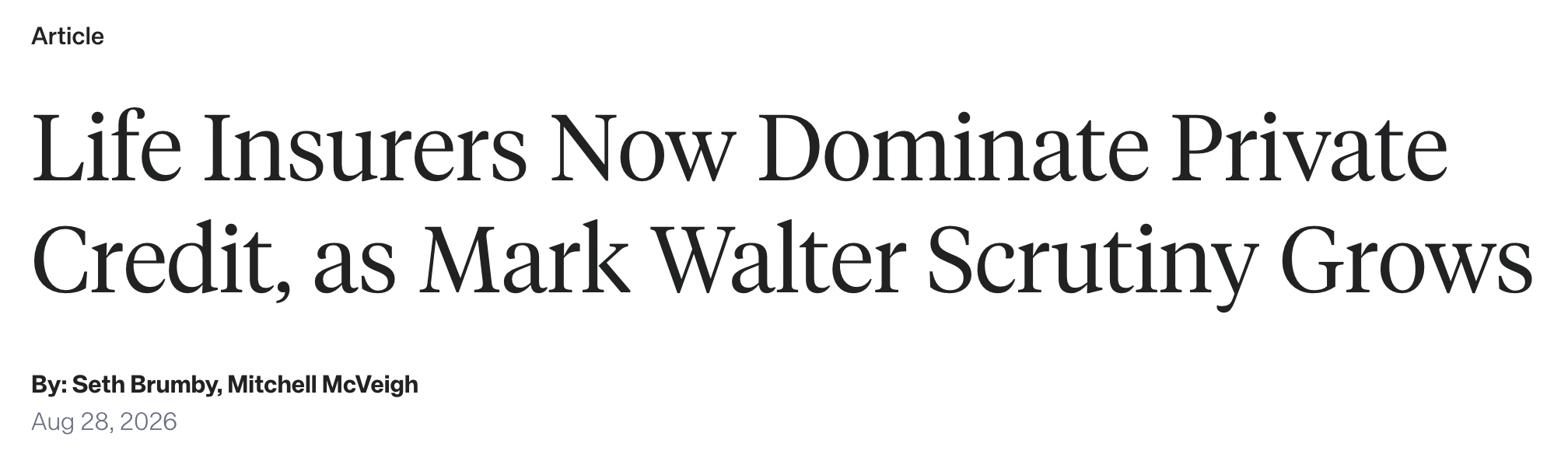
In This Week’s Creditor Corner SVB busted playbook, Getty takes a breather, LME equity handovers dominate, Roadmap to challenge Chapter 15 forum shopping, Guggenheim Mark Walter loan analyzed, and much, much more…
Featured Content Bruce Richards on the Markets Deficits. Fed. Politics.
|
Scroll through to read all our content |
|
|
|
Exclusive Content |
oh boy….. |
 |
 |
 |
Click above to access content |
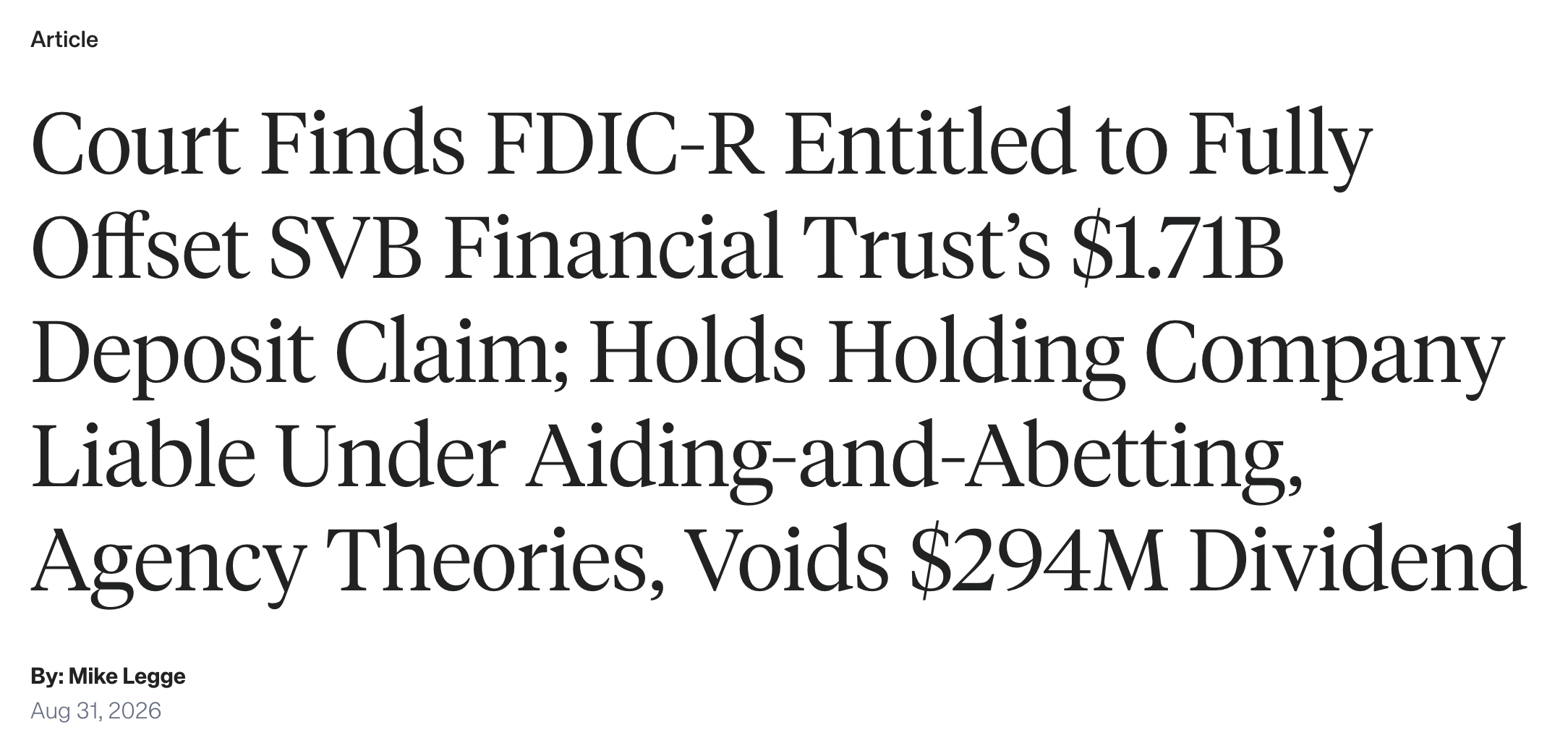
Our take: The Washington Mutual playbook, for those that remember, lined the pocket of many an investor during the financial crisis. Buy bonds at pennies on the dollar and let the bankruptcy estate claw-back cash and NOLs to recover par+.
But SVB is no Washington Mutual, and this fight played out in District Court. Investors counting on a repeat are now facing a sharply diminished recovery.
With the anticipated appeals, this is not the last word. But the opinion gives investors another reason to look carefully before borrowing an old playbook. |
|
|
|
|
|
Exclusive Content |
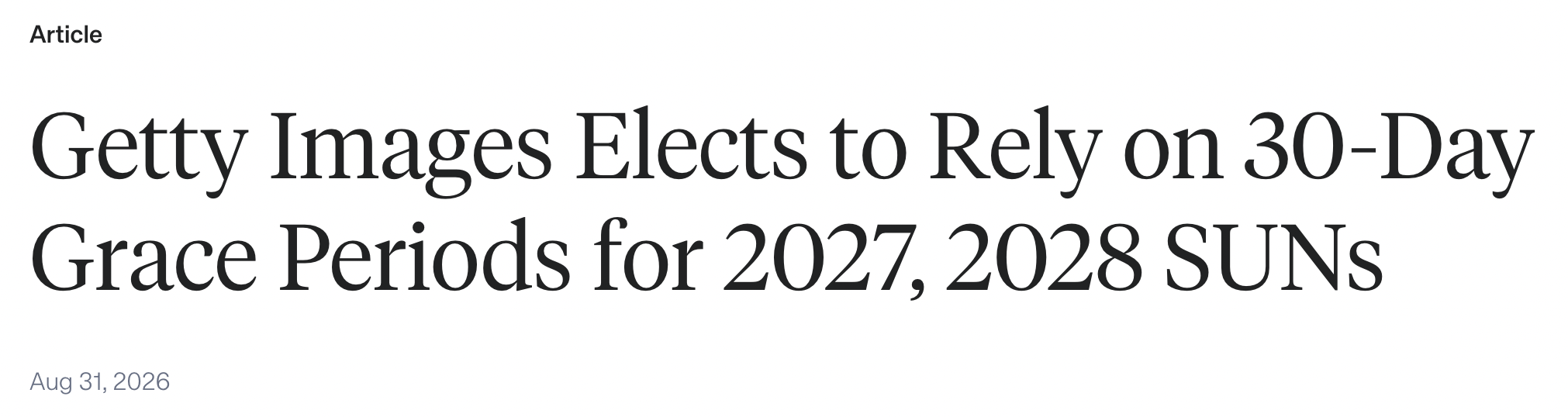
Getty Images Presses Snooze |
|
 |
Click above to access content |
|
|
|
|
|
Exclusive Content |
Getty Images Presses Snooze |
 |
 |
Click above to access content One-time registration required |
|
|
|
|
|
Exclusive Content |
Getty Images Presses Snooze |
|
 |
Click above to access content One-time registration required |
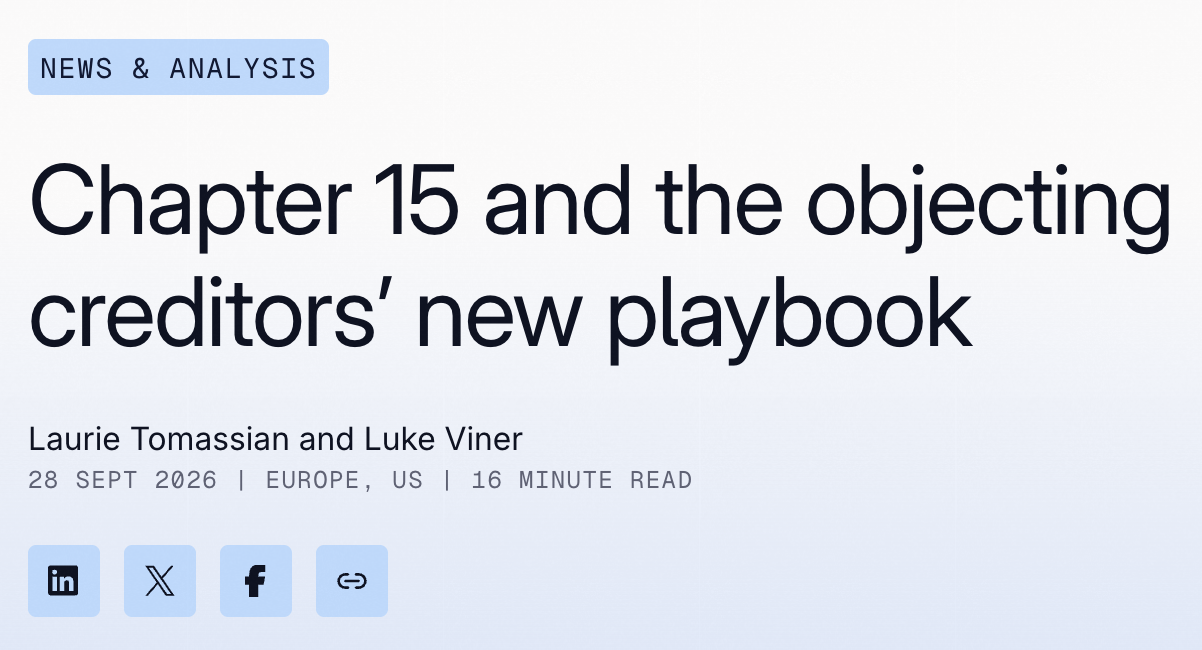
Our take: Judge Glenn’s NFE opinion reads less like a single ruling and more like a roadmap – and for once, creditors got the map instead of debtors. The COMI-manipulation and section 1522(a) framework gives objectors concrete angles to test forum shopping that didn’t exist a year ago, even in cases where nobody’s filed a challenge yet.
We’d expect this playbook to get its first real workout soon: two live cases are already testing it, and we’ll be watching whether courts actually use it to deny recognition, or whether NFE ends up more cited than followed. |
|
|
|
|
|
Exclusive Content |
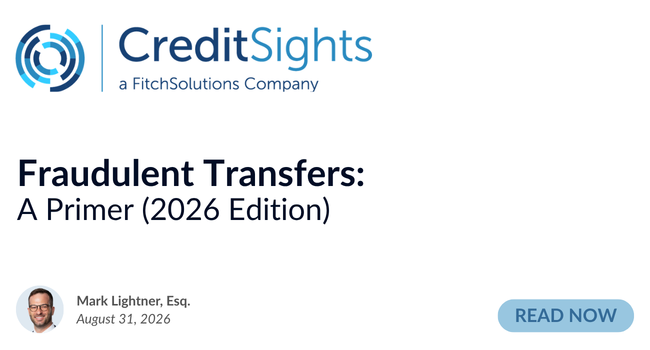
The Statute of Elizabeth Lives On |
 |
Click above to access content One-time registration required |
Our take: This primer is really a necessary survival guide for any professional in the industry, and given how loosely “fraudulent transfer” gets invoked in LME litigation without anyone checking the elements, that’s exactly the tool creditors need.
The likelihood of success is a reason why so many of these fights settle for pennies on the notional. But as the authors point out, that’s not really the point. A fraudulent transfer claim doesn’t have to win to work; it just has to be expensive and disruptive enough to drag a debtor back to the table on better terms. For creditors sizing up a challenge to a drop-down or double-dip, that’s the calculus that actually matters. |
|
|
|
|
|
Exclusive Content |
The Insurer Land Grab |
|
 |
Click above to access content |
|
|
|
|
|
Featured Content |
 |
?Deficits. Fed. Politics.
All three have massive implications for interest rates.
The Federal Open Market Committee has 12 voting members: seven Fed Governors, the New York Fed President and four regional Fed Presidents who rotate annually. While the Fed is designed to operate independently, politics can play a role, a bigger role than has historically been the case as everything in Washington has become politicized.
Will the Fed actually tighten prior to the midterm elections? Several Fed voting members would like to raise rates in effort to be vigilant on inflation and drive it back to its 2% target, yet the Administration wants lower rates.
July CPI was 3.4%, with Core CPI at 2.5%. PCE inflation, the Fed’s preferred measure, was 3.7%, with Core PCE at 3.3%. Those numbers are well above the Fed’s 2% Target, however inflation is trending lower. Energy prices impact inflation, yet the Fed can do little to impact the cost of energy.
So, what does the Fed do?
Raise rates and risk being accused of tightening into an election year?
Or hold rates and risk allowing inflation to become entrenched?
Raising rates with a massive fiscal deficit only increases the cost to finance the debt.
Fed Chair Kevin Warsh in an extraordinarily difficult position. The July meeting produced a 9–3 vote to hold rates, with three regional Fed Presidents voting for a 25-basis-point hike, and the cry to raise rates has gained momentum, which Warsh acknowledged at Jackson Hole. The debate inside the Fed is becoming more visible and Warsh would not want to lose face in the event the majority voted against his wish. This is tricky as I can’t think of an occasion where the Fed Chair vote was the not in line with policy move. What happens if Chair Warsh votes to raise rates while the rest of the Committee votes to hold? That would send a negative signal to market about the credibility, cohesion of the institution.
When you combine massive deficits, elevated inflation, political pressure and a divided Fed, the outlook looks highly complex. |
To follow Bruce’s thoughts on the markets, investing and more, follow @bruce_markets |
|
|
|
|
|
Exclusive Content |
Direct Lenders Go Off-Menu |
 |
Click above to access content One-time registration required |
|
|
|
|
|
In the News |
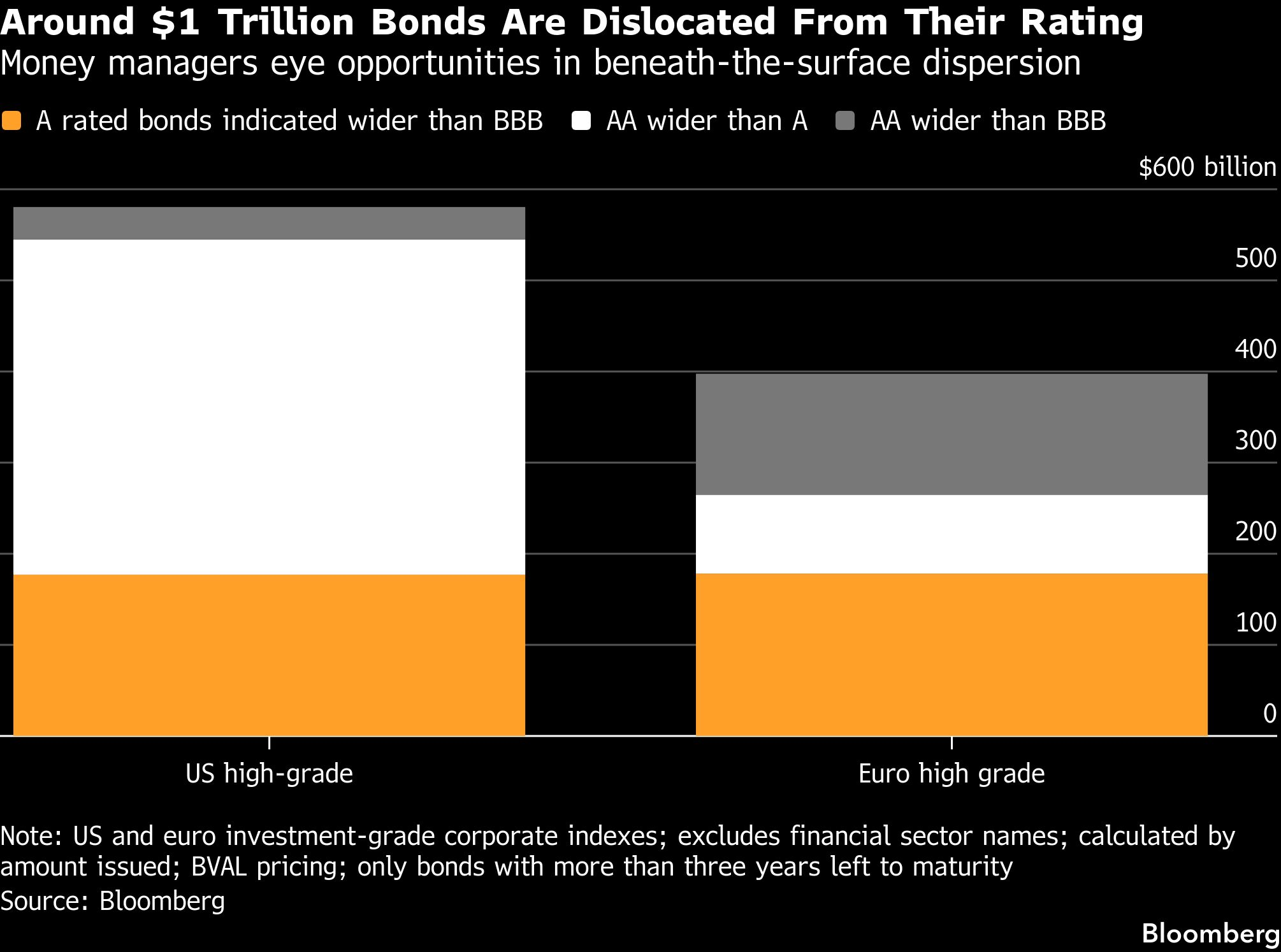
Ratings dispersion… |
 |
 |
Click above to access content Registration required |
|
|
|
|
|
|
 |
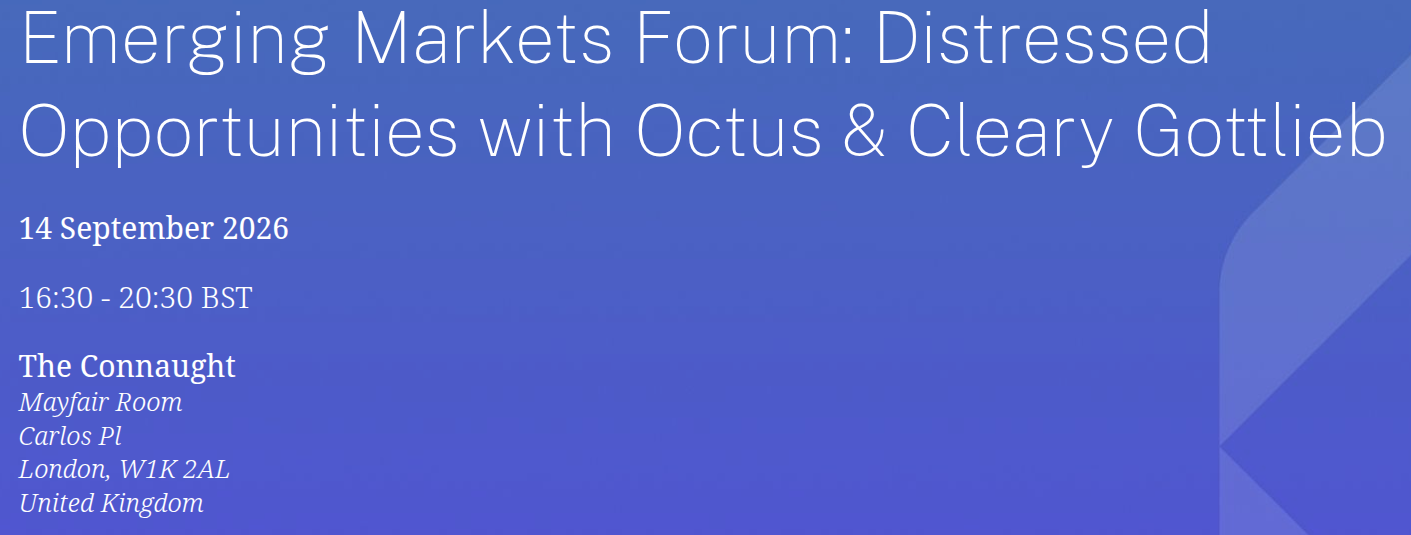 |
Emerging Markets Forum: Distressed Opportunities with Octus & Cleary Gottlieb |
September 14, 2026 |
| Learn More |
|
|
|
|
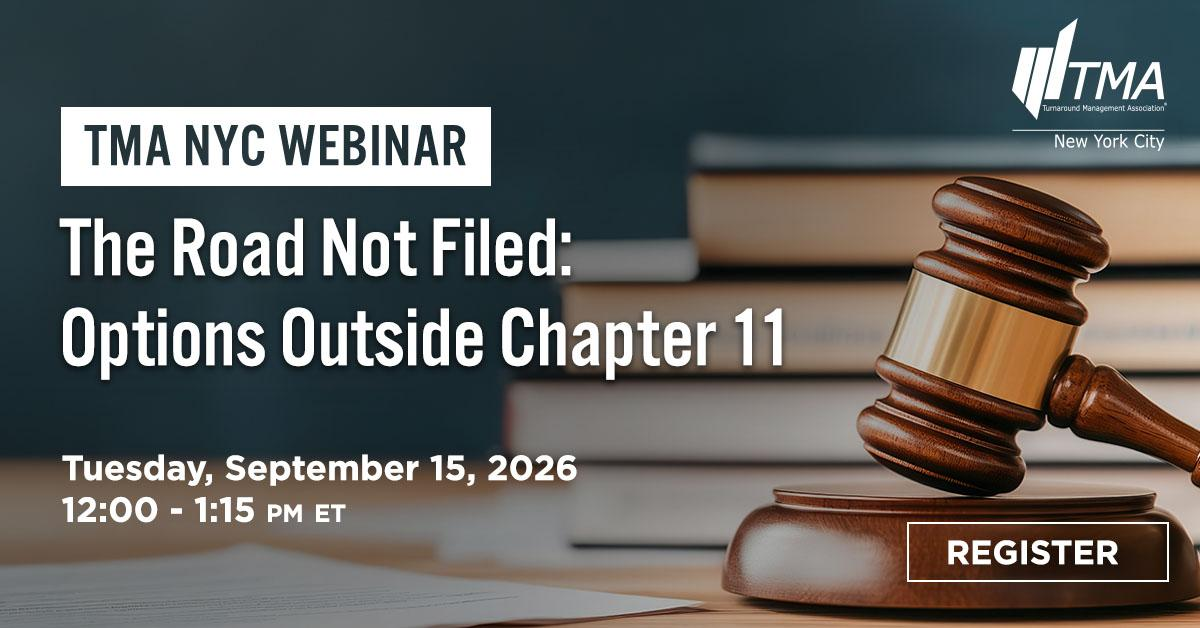 |
The Road Not Filed: Options Outside Chapter 11 |
September 15, 2026 |
| Learn More |
|
|
|
|
|
|
 |
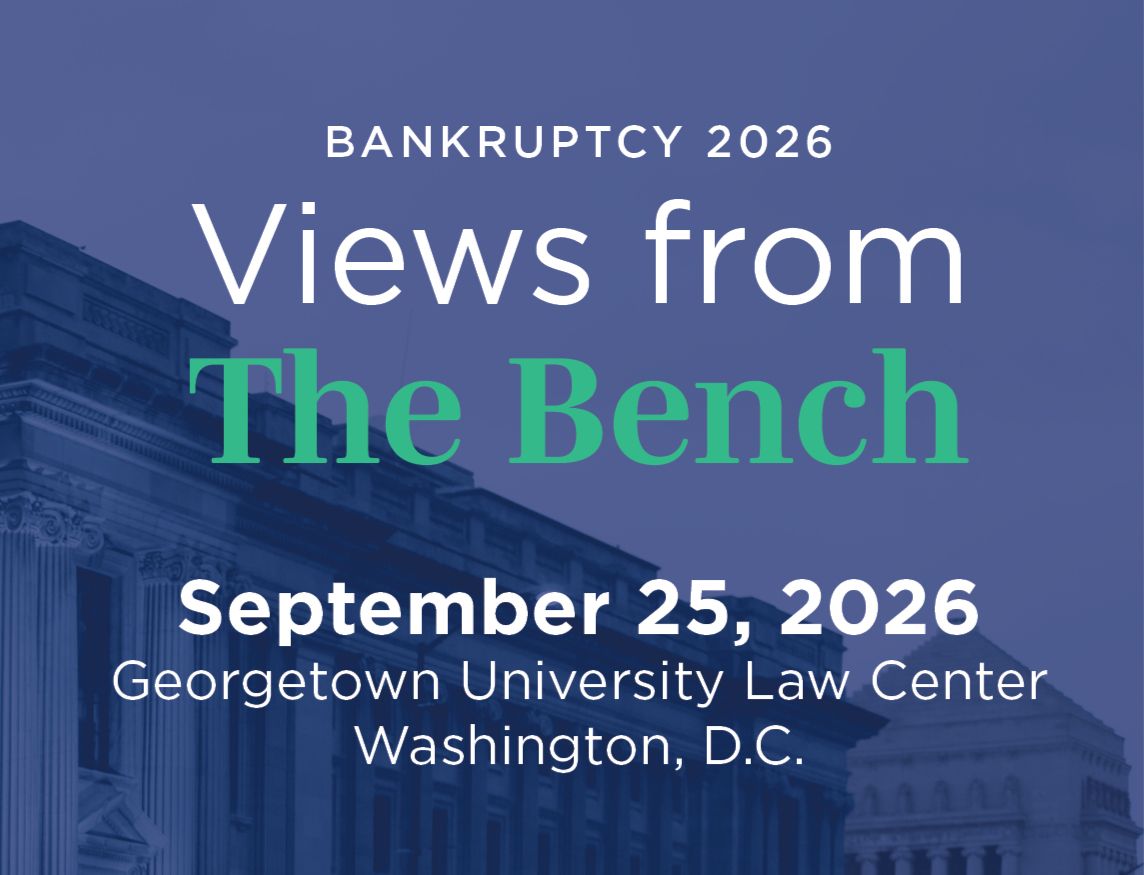 |
Views from The Bench |
September 25, 2026 |
| Learn More |
|
|
|
|
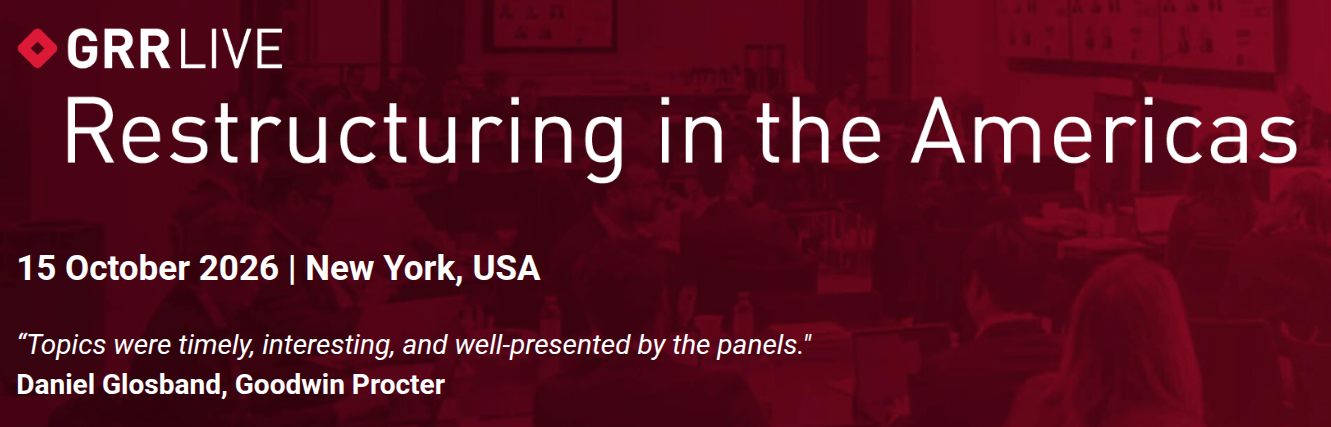 |
Restructuring in the Americas |
October 15, 2026 |
| Learn More |
|
|
|
|
The Data Download |
Bringing Transparency to the Bankruptcy Process |
 |
 |
 |
 |
 |
 |
Click Above to Access The Data Download |
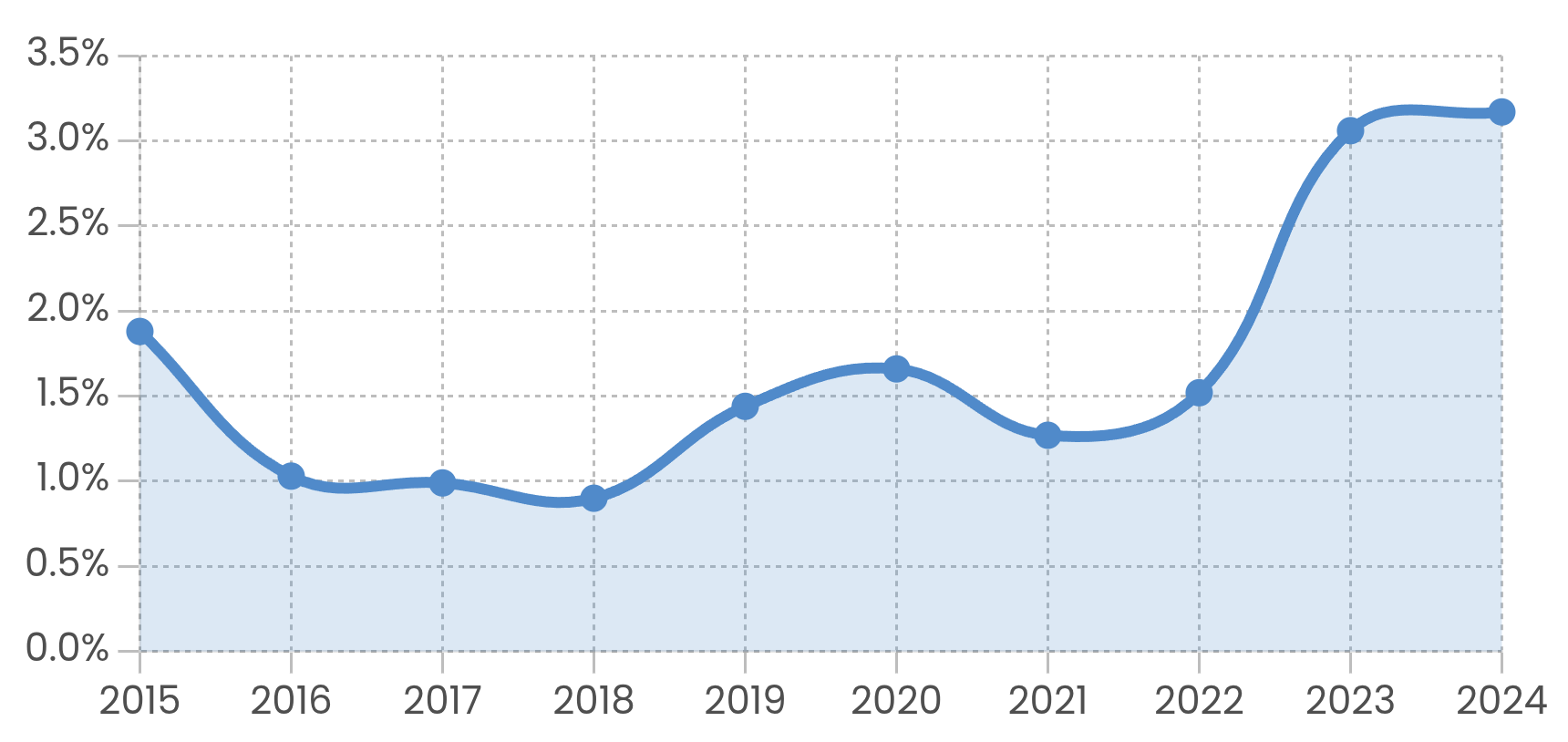
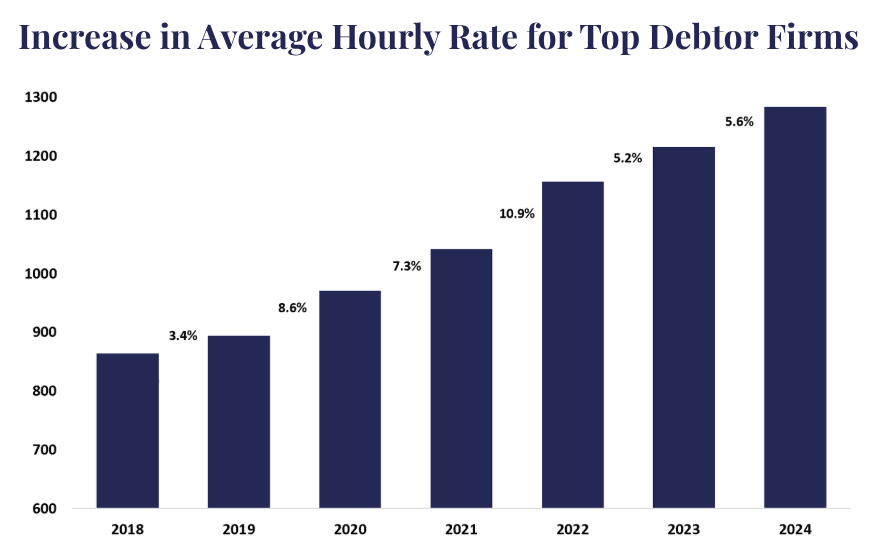
Our Take: The Daily Cost of BK Legal fees Are Increasing. Are we shocked? No. We took a deep dive to see what is driving up the daily cost of restructurings and the culprit: Increasing Legal Hourly Rates. We analyzed final fee apps for top debtor law firms from 2018 to 2024 and found average hourly legal fees have increased by over 65% since 2018. Maybe a little bit of sunlight is the right disinfectant to help remedy the problem… |
|
|
|
|
|
|