Weekly News – May 8

Please Judge Kaplan, Not again!, Coops in focus, London is calling, Trinseo LME going toward BK, Brightline rolling into BK, and much, much more…

Creditor Corner

Your weekly curated content from the Creditor Rights Coalition

Over 3,700 member subscribers and growing!

We bring you exclusive content from leading data and research providers 

Sign Up Here

?In this Week’s Creditor Corner

Please Judge Kaplan, Not again!, Coops in focus, London is calling, Trinseo LME going toward BK, Brightline rolling into BK, and much, much more…

Featured Event

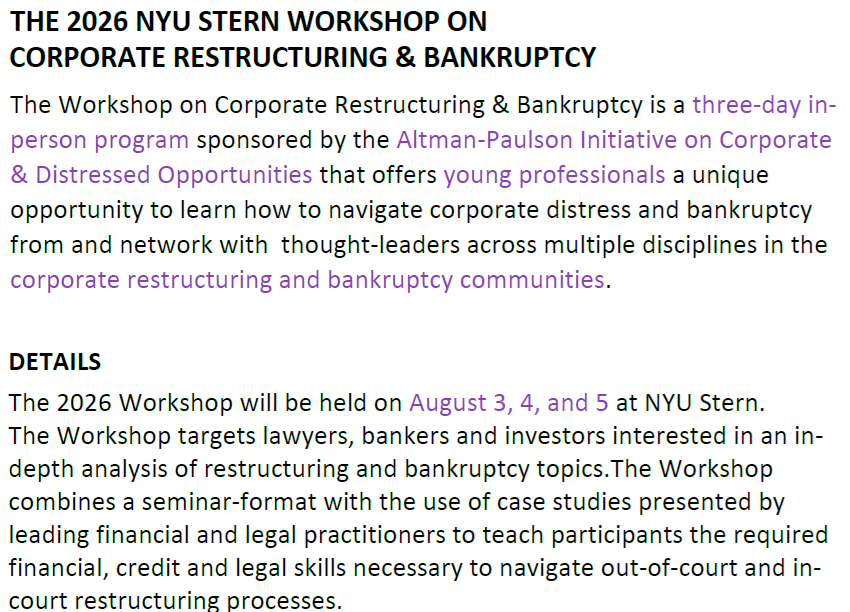
NYU Stern Bankruptcy & Corporate Restructuring Workshop

5 days left to Early Enroll!

Featured Content

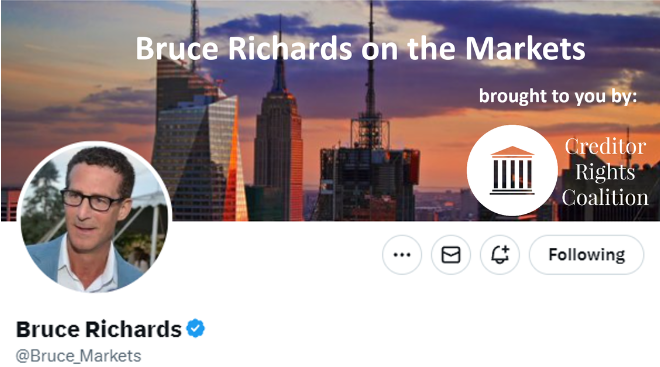
Bruce Richards on the Markets

Scroll through to read all ou?r content?

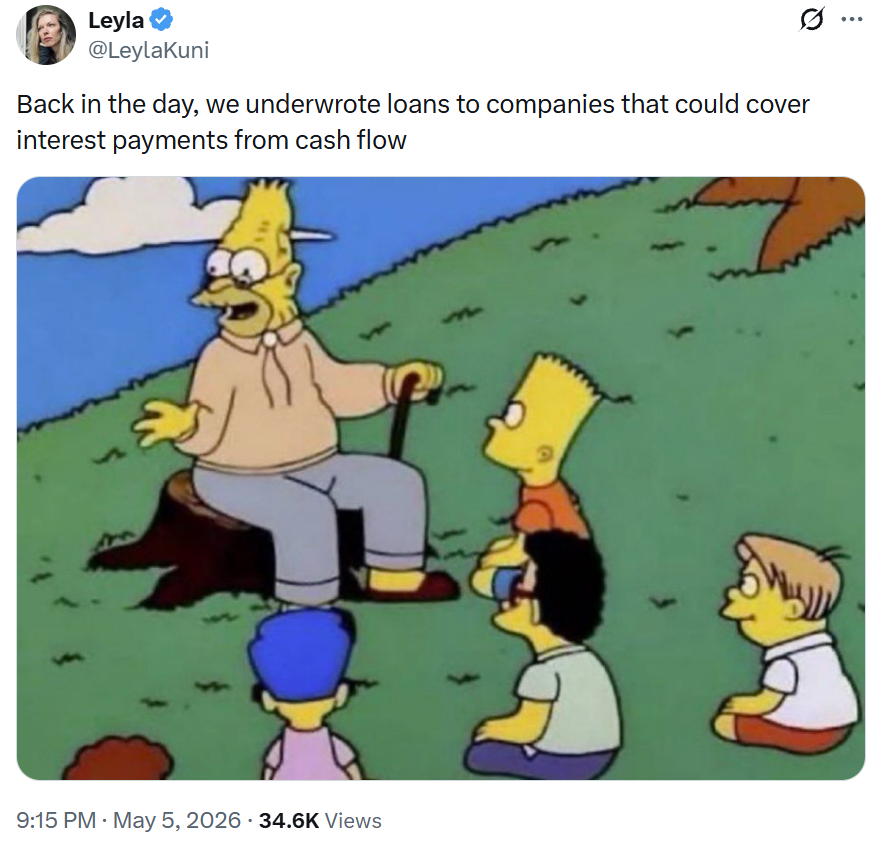
Tweet of the week

Click Above to Access Content

Featured Event

$100 off for CRC Subscribers!

5 days left to Early Enroll

Learn More

Click above to access content

CRC Subscribers Receive An Additional $100 off by emailing info@creditorcoalition.org

Exclusive Content

handshakes behind closed doors

Click above to access content

Our Take:

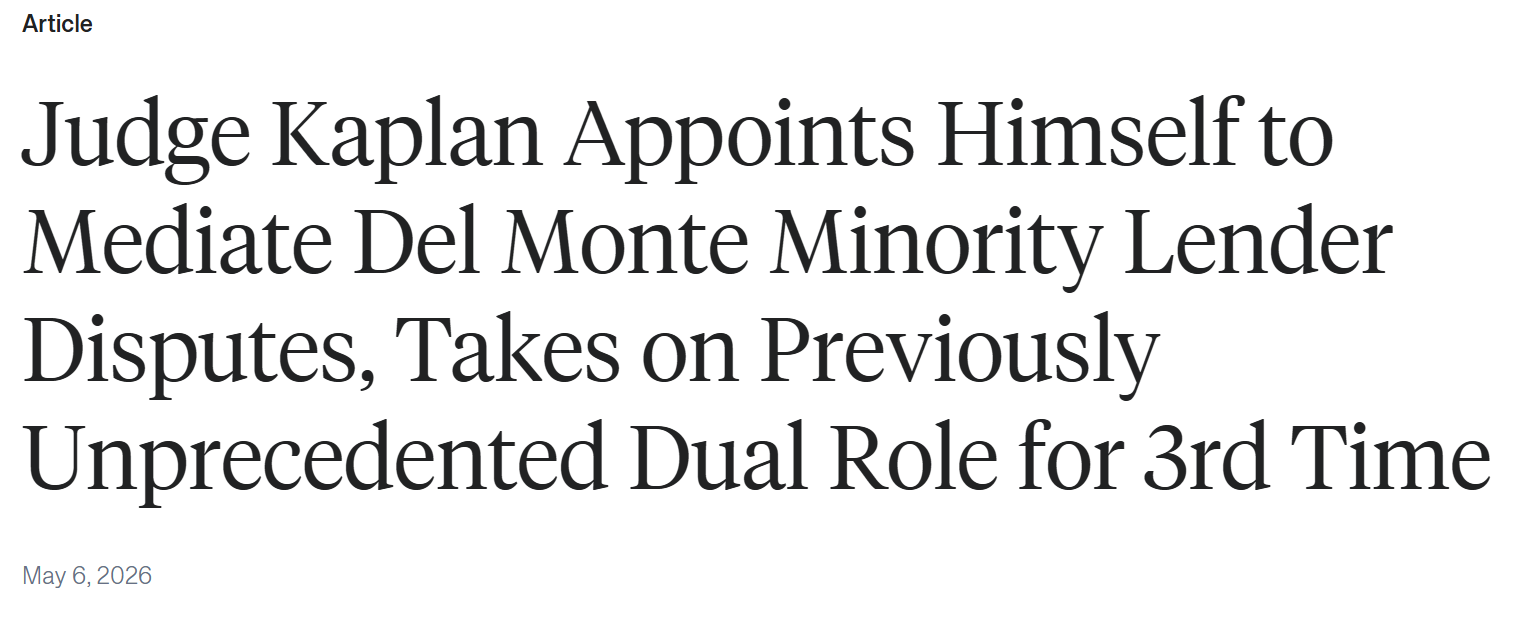
In an era already marked by concerns over forum shopping and perceptions of debtor-friendly courts, a presiding judge appointing himself to mediate a case pending before that same judge raises serious questions about transparency, impartiality, and due process.


Federal judges are rightly held to the highest ethical standards, including judicial canons governing impartiality, ex parte communications, and the appearance of fairness. Those standards exist to preserve public confidence in the integrity and neutrality of the judiciary.


Even with party consent, mediating a matter that may later return to the same judge for adjudication is highly problematic. That is precisely why, to our knowledge, bankruptcy courts almost universally refer mediation responsibilities to another judge or independent mediator. Once a judge receives confidential settlement communications, discusses litigation risk in private caucuses, or signals views on the merits, difficult questions inevitably arise as to whether true impartiality can be maintained if settlement efforts fail.


This is not a Solomonic exercise in “splitting the baby” or cutting through the Gordian knot. Modern notions of due process and judicial fairness demand clearer separation between mediator and adjudicator.

Exclusive Content

“Exclusive Opportunism” and the Cooperation Agreement

Click above to access content

One-time registration required

Our take:

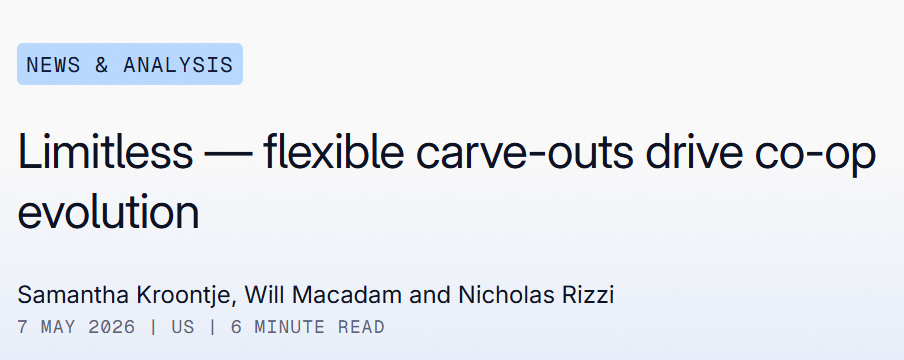
Co-ops are shaping up to be the next frontier of creditor-on-creditor violence. Tiered structures are already emerging – most recently in the CDK Global situation – where select lenders secured access to non-pro-rata treatment. The market has already started pricing in this SteerCo / non-SteerCo divide, with spreads widening roughly 8 points between the two CDK papers.


The next evolution will likely be the “LMification” of co-op agreements themselves. Certain lenders will look to monetize access to preferential treatment; others will inevitably push the boundaries too far; litigation will follow; and, eventually, the market will circle back to more consensual co-op structures.


The irony is hard to miss: co-ops were originally designed to promote lender unity and prevent non-pro rata treatment, yet they are increasingly becoming the mechanism through which those very divisions are created.

In the News

the imminent rise of Chapter 15

Click above to access content

Exclusive Content

Synthetic unsubs…

Click above to access content

One-time registration required

In the News

Greece wins GDP warrants dispute; Argy up next….

Click above to access content

Exclusive Content

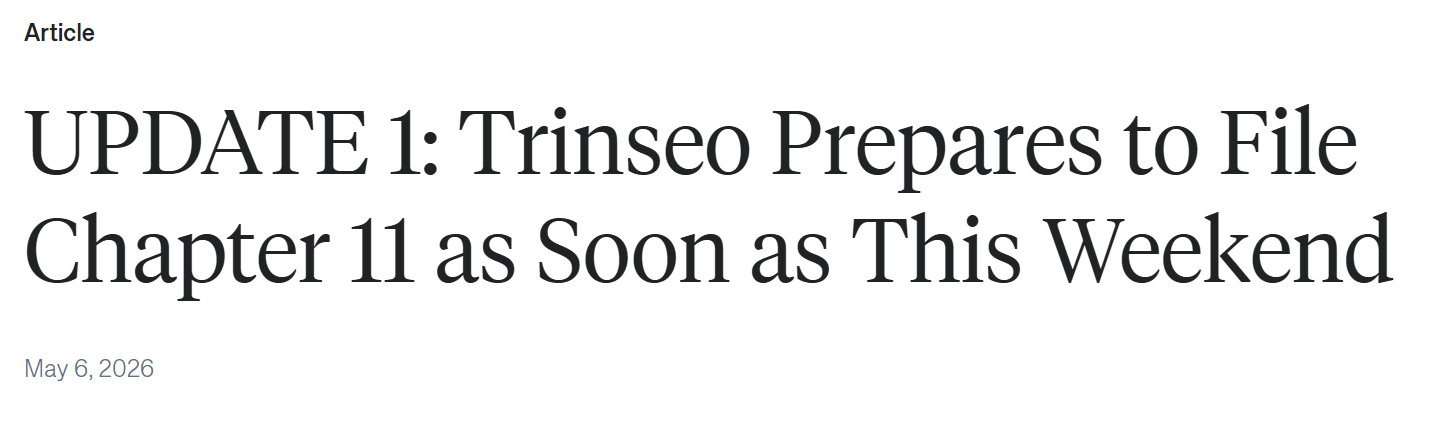
From LME to to bankruptcy…. once again…

Click above to access content

Our Take:

?Trinseo completed a restructuring lawyer’s dream transaction: a Pari-plus double dip dropdown (“PPDDD” – scariest 5 letters an analyst can see). In the end, the complexity didn’t change the outcome: there was simply insufficient cashflow to outrun the capital stack, and financial engineering only extended the timeline rather than solving the underlying operational gap. 

Exclusive Content

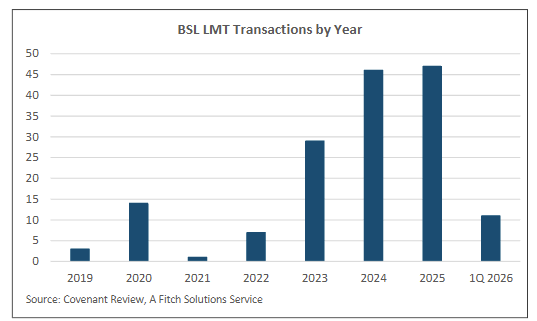
Liability Management on pace with years past…

Click above to access content

One-time registration required

Exclusive Content

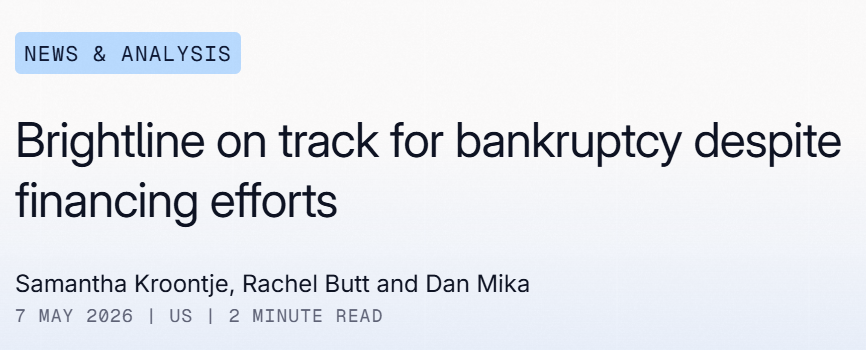
rolling straight into chp11

Click above to access content

One-time registration required

What we’re watching


Click above to access content

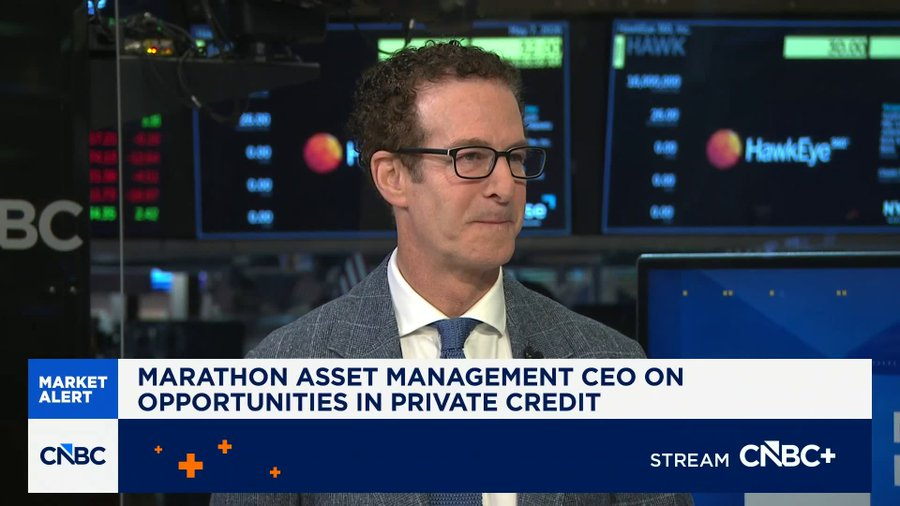
Featured Content

Opportunities in private credit/ direct lending, rising interest in AI, and more.


8 Key Takeaways:


– Best vintage for opportunistic credit since the GFC: Turbulence in DL and credit markets, impact from higher oil prices leads to dislocation, while the strong growth/CapEx environment requires capital solutions 

– America’s AI buildout: is enormous driving demand for financing.

– Europe: My meetings with 50+ institutional investors, insurance companies and private wealth bank platforms in Europe last week were hugely encouraging as investors are strategically allocating new capital to DL, ABL and Opportunistic Credit. Credit markets are strong, vibrant with the exception of software names, noting European credit market has materially lower software exposure vs. U.S.

– DL: The last 2 vintages may be troublesome for U.S. DL managers due to heavy software exposure, but next vintage will be strong as managers now have their eyes wide open and won’t be making the same mistakes in software. 

– ABL: The total fund AUM for ABL is just $500B vs. $1.8T for DL; investors have 1/3 to 1/4 of the capital allocation to ABL than they do to DL, most are actively looking to rebalance by adding ABL.

– CBs: Hiking rates would be a policy error as current inflation pressures are largely energy-driven rather than demand-driven; rate hikes from the Fed and ECB would slow economic growth without meaningfully reducing inflation.

– AI is fueling markets: huge financing needs, with $750B spend in 2026; the math to build 1 gigawatt is: land cost for 500 acres and the data center box = $3 billion plus what goes in that box costs around $40 billion including chips, racks, wiring, power systems and cooling infrastructure.

– Software: Winner and Losers as this will be a tale of two cities; many highly leveraged private software companies funded by DL won’t make the AI transition to an AI-first software company. Hardware (semis and chips) leads to software costs coming down as hardware is used for coding, that has knock on impact of hurting many software companies, so “hardware eats software” is the new concept as coding becomes a commodity.


Click above to access content

To follow Bruce’s thoughts on the markets, investing and more, follow

@bruce_markets

Upcoming Events

Should I Stay or Should I Go?

May 14, 2026

Learn More

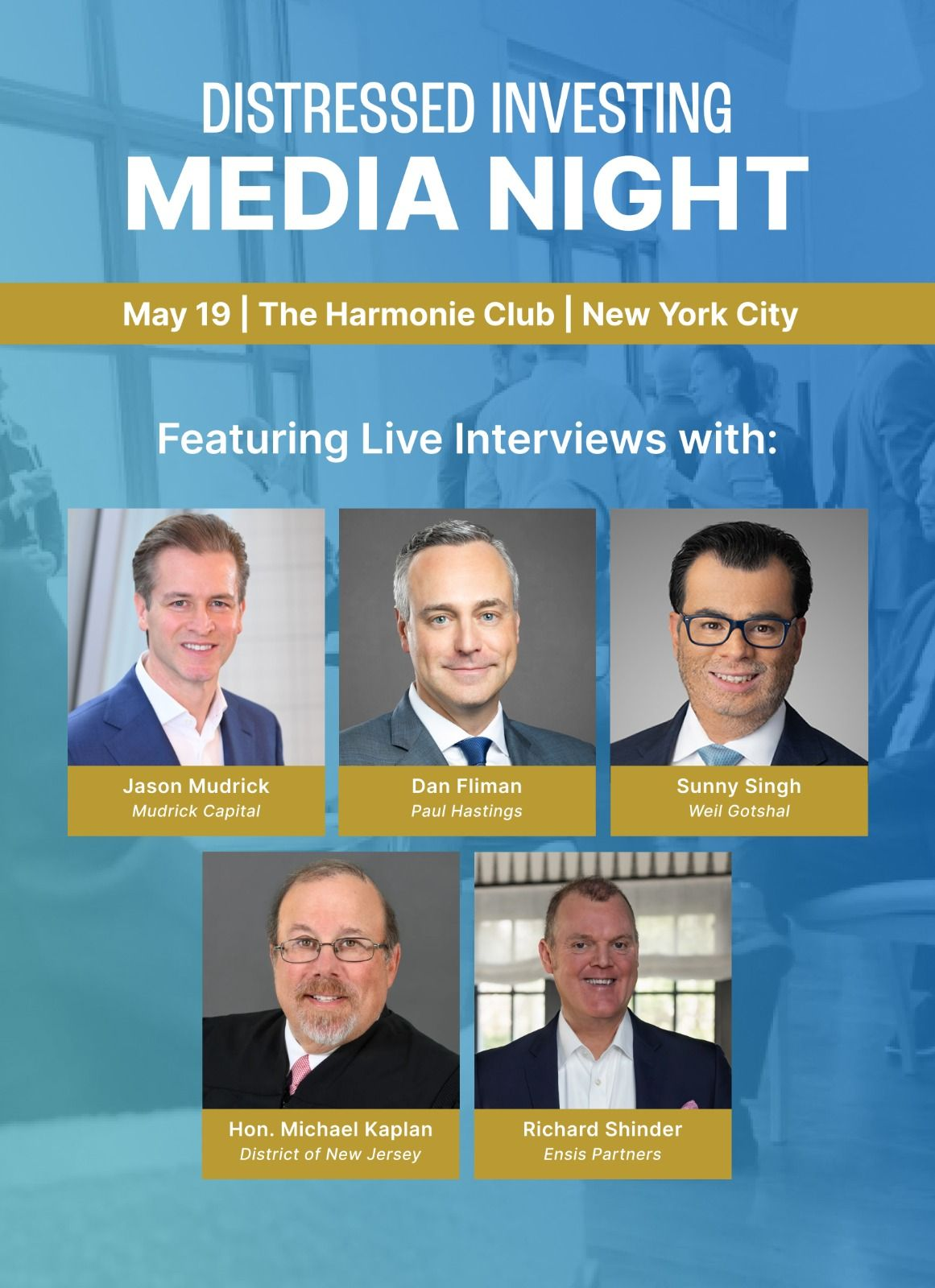
Distressed Investing Media Night

May 19, 2026

Learn More

ABI: New York City Bankruptcy Conference

May 20-21, 2026

Learn More

9fin: Where Leveraged Finance Stands Now (Charlotte)

May 21, 2026

Learn More

Debtwire: Private Credit Forum

June 3, 2026

Learn More

U.S. Special Situations Outlook

June 11, 2026

Learn More

The Data Download

Bringing Transparency to the Bankruptcy Process

Click Above to Access The Data Download

Our Take:

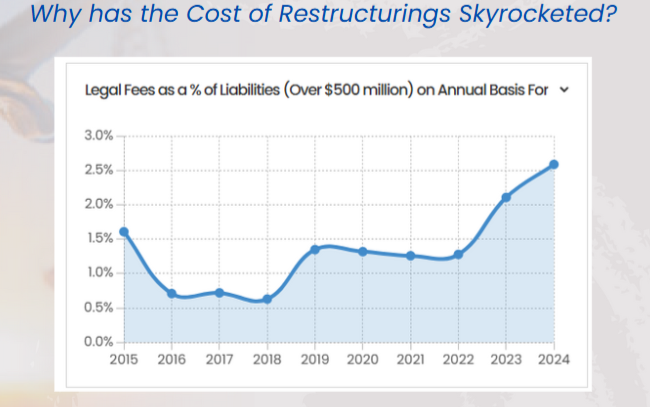
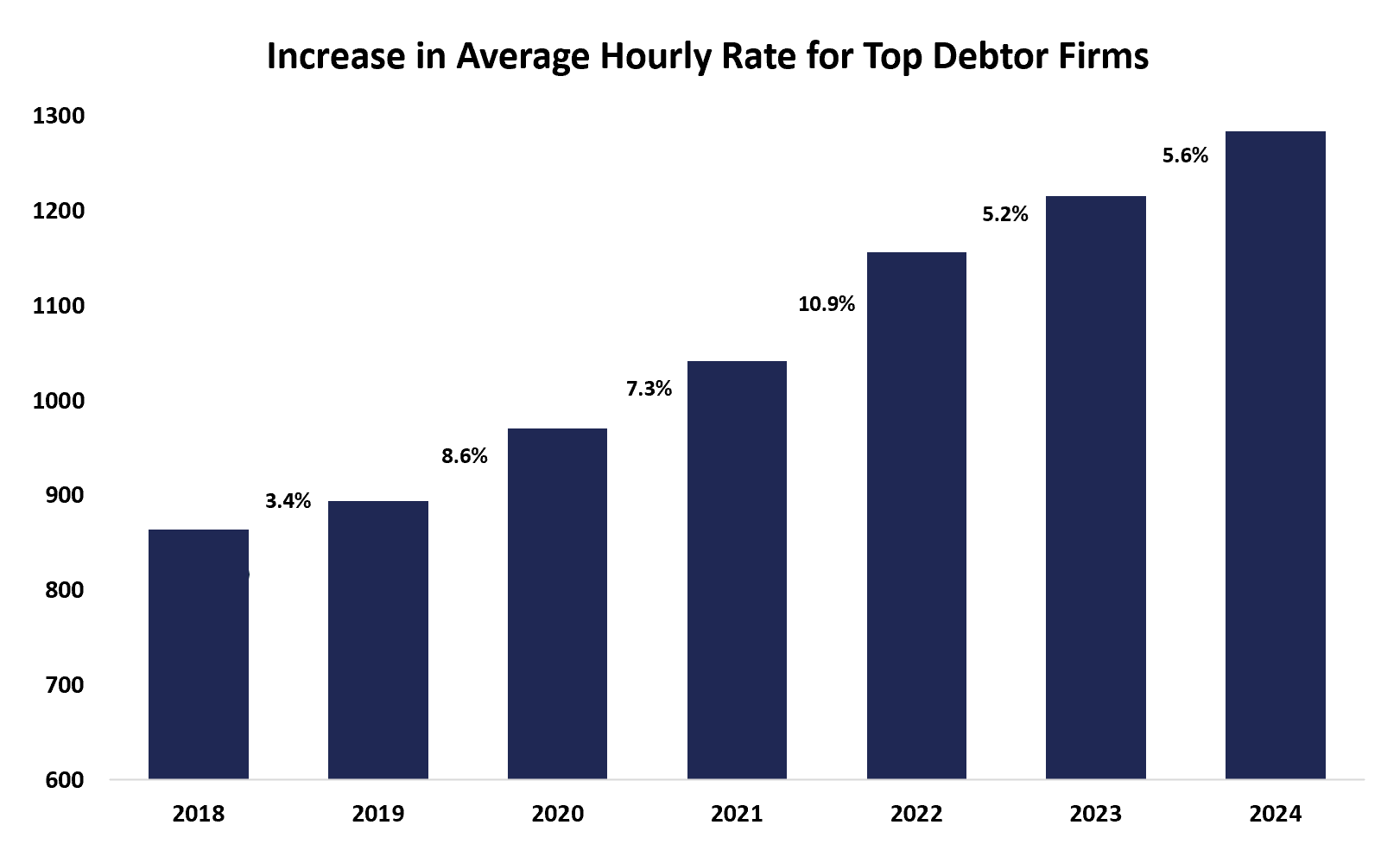
The Daily Cost of BK Legal fees Are Increasing.

Are we shocked? No.

We took a deep dive to see what is driving up the daily cost of restructurings and the culprit: Increasing Legal Hourly Rates. We analyzed final fee apps for top debtor law firms from 2018 to 2024 and found average hourly legal fees have increased by over 65% since 2018. Maybe a little bit of sunlight is the right disinfectant to help remedy the problem….

Thank You To Our 2026 Sponsors

Diamond Sponsor

Platinum Sponsors

Gold Sponsors

Silver Sponsors


Have Something to Share?

Email us at info@creditorcoalition.org